
In recent years, the apparel industry has witnessed a significant shift toward seamless garment production, driven by consumer demand for comfort, durability, and aesthetic appeal. Seamless garments, ranging from underwear to activewear and swimwear, eliminate traditional stitching, providing a smooth, lightweight, and flexible structure. At the heart of this transformation is hot melt adhesive film, a versatile bonding solution that has revolutionized garment manufacturing.
Hot melt adhesive film is a thermoplastic bonding material applied between layers of fabric to join them without sewing. Once heated, the film melts, penetrates the textile fibers, and solidifies upon cooling, forming a durable, flexible, and invisible bond. This method not only enhances the visual appeal of garments but also improves comfort, performance, and production efficiency.
This article explores the advantages of hot melt adhesive film in the seamless apparel sector, technical aspects, application methods, and why it has become a cornerstone technology for modern textile manufacturing.
What is Hot Melt Adhesive Film?
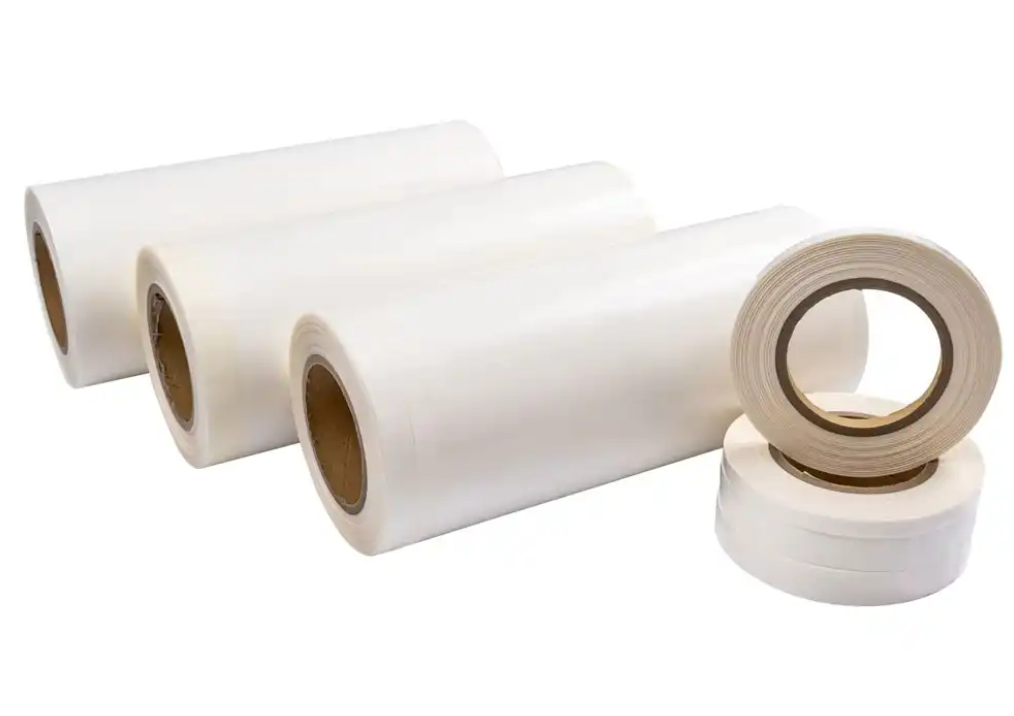
Hot melt adhesive (HMA) film is a solid adhesive material, typically supplied in sheet or roll form, which bonds to fabrics through heat activation. Unlike liquid adhesives, HMA films provide precise control over adhesive placement, thickness, and area coverage, ensuring uniform bonding across complex garment structures.
Key characteristics include:
- Thermoplastic nature, activating under heat
- Flexible bonding compatible with elastic fabrics
- Rapid curing without solvents or chemical reactions
- High adhesion strength to synthetic and natural fibers
- Clean application with minimal mess
In seamless apparel production, hot melt adhesive film is applied using specialized machines or press systems that deliver uniform heat and pressure. The adhesive penetrates the fabric layers, creating a strong and invisible bond without stitching, which is ideal for high-performance garments.
Advantages of Hot Melt Adhesive Film in Seamless Apparel
1. Seamless and Comfortable Garments
One of the primary advantages of hot melt adhesive film is its ability to produce completely seamless garments. Unlike traditional sewing, adhesive bonding eliminates bulky stitches that can cause irritation or restrict movement.
- Smooth finish against the skin
- Lightweight garment construction
- Improved elasticity and stretch recovery
- Ideal for underwear, shapewear, sportswear, and activewear
Seamless garments made with HMA film provide a better wearing experience, particularly in intimate apparel and performance clothing where skin comfort is crucial.
2. Strong and Durable Bonding
Despite the lack of stitches, hot melt adhesive film provides durable adhesion comparable to, or sometimes exceeding, sewn seams. The adhesive penetrates the fabric fibers and forms a continuous bond line, enhancing tensile strength and structural integrity.
- Reliable for high-stress zones like waistband, shoulder, or thigh areas
- Resists delamination under repeated washing and stretching
- Maintains performance in elastic fabrics such as spandex or elastane blends
This durability ensures garments retain their shape and appearance over extended use.
3. Enhanced Aesthetic Appeal
Hot melt adhesive film produces clean, invisible seams that improve the visual appeal of garments. By removing visible stitching, designers can create sleek silhouettes and intricate patterns without interference from thread lines.
- Perfect for minimalistic designs
- Allows complex paneling without bulky seams
- Facilitates creative design innovations in fashion and sportswear
Seamless garments bonded with HMA film are highly valued in premium apparel markets for their refined finish and professional look.
4. Flexibility and Elasticity
A critical requirement in seamless apparel is elasticity, especially in garments like shapewear, underwear, and athletic wear. Hot melt adhesive films are engineered to maintain flexibility while providing strong adhesion.
- Stretchable adhesives that move with fabric
- Ideal for multi-directional stretch materials
- Maintains bond under repeated tension
This ensures garments conform comfortably to the body without restriction, making HMA film ideal for high-performance and activewear applications.
5. Fast and Efficient Production
Using hot melt adhesive film significantly improves production efficiency compared to traditional sewing or liquid adhesive methods. Adhesive films allow for high-speed automated bonding, reducing labor costs and cycle times.
- Quick heat activation and cooling process
- Compatible with automated pressing or dotting systems
- Reduces manual stitching and associated errors
- Supports mass production with consistent quality
Manufacturers benefit from shorter production cycles and the ability to scale up output without compromising quality.
6. Minimal Material Waste
Unlike liquid adhesives that may overflow or stitching that requires extra thread, hot melt adhesive films offer precise application, minimizing waste.
- Controlled adhesive placement
- Uniform thickness and coverage
- Reduces trimming or finishing steps
- Lowers production costs
Precision bonding also helps maintain garment integrity, reducing defects caused by uneven adhesion.
7. Water and Chemical Resistance
Hot melt adhesive films can be formulated for resistance to moisture, detergents, and chemicals, making them ideal for apparel that undergoes frequent washing or exposure to harsh conditions.
- Retains adhesion after repeated laundering
- Suitable for swimwear and athletic gear exposed to sweat and chlorine
- Prevents seam degradation in humid environments
This ensures long-lasting garment performance, particularly in demanding use scenarios.
8. Environmental and Safety Advantages
Modern hot melt adhesive films often contain no solvents, reducing environmental impact and workplace hazards. The use of HMA films supports sustainable and safe production practices.
- Solvent-free bonding
- Low VOC emissions
- Reduced energy consumption with fast curing
- Cleaner manufacturing environment
Sustainability is increasingly important in the apparel industry, and HMA film aligns with eco-friendly production goals.
Technical Considerations for Using Hot Melt Adhesive Film
1. Adhesive Composition
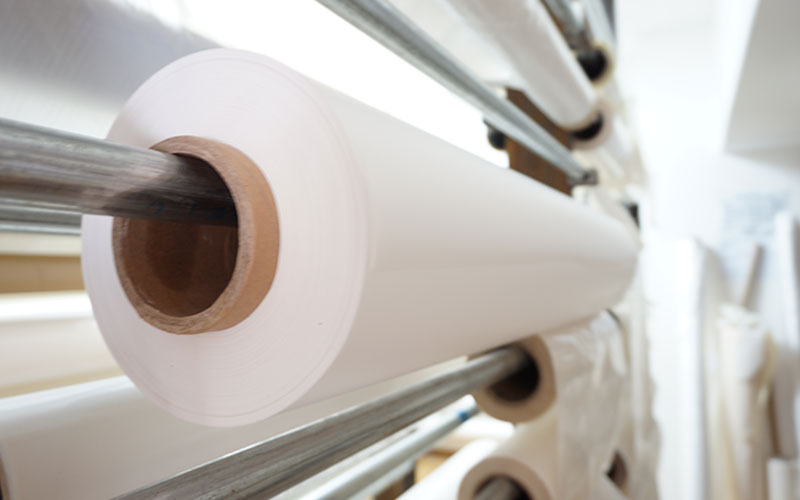
Hot melt adhesive films are composed of thermoplastic polymers, tackifiers, and plasticizers. The formulation determines:
- Adhesion strength
- Flexibility and elasticity
- Heat activation temperature
- Resistance to washing and chemicals
Selecting the right adhesive composition is critical for different fabric types, such as nylon, polyester, spandex blends, or cotton.
2. Activation Methods
Hot melt adhesive film can be activated through various methods, including:
- Heat press bonding – uses controlled heat and pressure for uniform adhesion
- PUR dotting machines – precise adhesive placement with minimal material waste
- Roll lamination – continuous bonding for high-volume production
The activation method affects production speed, consistency, and bond strength.
3. Film Thickness and Coverage
Film thickness and application area are key parameters affecting seam strength and flexibility. Thicker films may provide stronger adhesion but reduce flexibility, while thinner films ensure soft, stretchable seams.
- Standard thickness ranges: 0.05 mm to 0.3 mm
- Coverage can be tailored for dots, lines, or full-area bonding
- Optimized settings depend on garment type and fabric elasticity
4. Temperature and Pressure Control
Proper heat and pressure are essential to activate the adhesive fully without damaging the fabric.
- Typical activation temperature: 120–180°C (depending on adhesive formulation)
- Pressure ensures complete bonding and prevents fabric distortion
- Cooling time solidifies the adhesive for strong, invisible seams
Accurate control is especially important for delicate fabrics and high-elasticity textiles.
5. Compatibility with Automated Systems
Modern garment production increasingly relies on automation. Hot melt adhesive film is compatible with advanced machinery such as:
- Multi-axis glue dispensing machines
- Heat press laminators
- Seamless garment assembly lines
Automation ensures consistent bonding, faster production, and reduced labor costs.
Applications of Hot Melt Adhesive Film in Seamless Apparel
1. Intimate Apparel
- Bras, panties, and lingerie
- Seamless cups and elastic bands
- Lightweight and skin-friendly finish
Hot melt adhesive film replaces stitching, reducing friction and providing a smooth feel against the skin.
2. Shapewear and Compression Garments
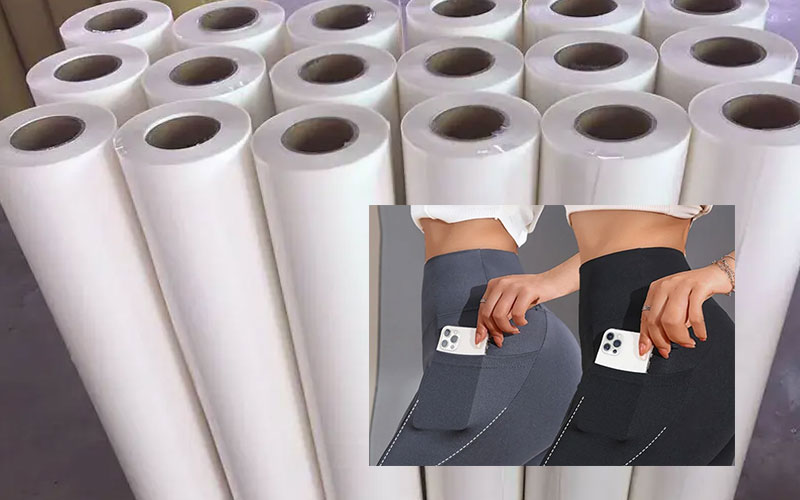
- Waist trainers, bodysuits, and leggings
- Bonded panels for body contouring
- High stretch with firm adhesion
Seamless construction ensures comfort and performance during prolonged wear.
3. Swimwear
- One-piece and two-piece swimsuits
- Chlorine-resistant and waterproof bonding
- Stretchable, lightweight seams
HMA film maintains seam integrity in wet environments, essential for sports and competitive swimwear.
4. Sportswear and Activewear
- Yoga pants, running shorts, and performance tops
- High-elasticity and breathable fabrics
- Durable, stretchable, and lightweight seams
Bonded seams reduce chafing and improve comfort during physical activity.
5. Medical and Functional Textiles
- Compression bandages, support braces, and orthopedic wear
- Skin-friendly, flexible bonds
- Clean and precise application for medical compliance
HMA film ensures hygiene and structural reliability in specialized textile applications.
6. Fashion Innovation
- Decorative bonding patterns
- Minimalistic or transparent seam designs
- Lightweight and flexible garment structures
Designers leverage hot melt adhesive film to create garments that are both functional and visually striking.
Advantages for Manufacturers
1. Cost Efficiency
By reducing stitching labor, minimizing material waste, and supporting automation, hot melt adhesive film lowers overall production costs while maintaining high-quality output.
2. Scalability
Automated bonding systems using HMA films allow manufacturers to scale production efficiently to meet high-volume demands without sacrificing precision.
3. Product Differentiation
Seamless garments produced with hot melt adhesive films offer superior comfort, aesthetics, and performance, providing a competitive advantage in premium apparel markets.
4. Sustainability
Solvent-free adhesives and precision bonding contribute to environmentally friendly manufacturing processes, supporting corporate sustainability initiatives.
Challenges and Considerations
While hot melt adhesive films provide numerous benefits, manufacturers must address certain challenges:
- Proper adhesive selection for different fabric types
- Precise temperature and pressure control to avoid fabric damage
- Compatibility with automated production lines
- Storage conditions to prevent adhesive degradation
By addressing these considerations, manufacturers can maximize the performance and longevity of garments bonded with hot melt adhesive films.
Future Trends in Seamless Apparel with HMA Film
The seamless apparel industry continues to evolve with innovations in materials, machinery, and adhesive technology. Emerging trends include:
- Eco-friendly adhesives – biodegradable and solvent-free films
- High-performance functional garments – moisture-wicking, anti-microbial, and temperature-regulating fabrics
- Advanced automation – multi-axis dispensing, vision-guided bonding, and integrated garment assembly systems
- Customizable bonding patterns – personalized and fashion-forward seamless designs
These trends highlight the growing importance of hot melt adhesive films as a core technology in modern garment manufacturing.
Conclusion
Hot melt adhesive film has emerged as a transformative solution in the seamless apparel industry. By providing invisible, flexible, and durable bonding, it allows manufacturers to produce high-quality garments with enhanced comfort, aesthetic appeal, and performance. Its compatibility with automated systems, efficiency in production, and environmental benefits make it a critical component in modern textile manufacturing.
From intimate apparel to activewear, swimwear, and medical textiles, hot melt adhesive film enables innovative garment designs while reducing labor and material costs. As the demand for seamless, functional, and sustainable clothing continues to rise, the role of hot melt adhesive film in the apparel sector is set to expand, shaping the future of textile production.