
The seamless garment industry has witnessed remarkable technological advancements in recent years, transforming how clothing is designed, produced, and finished. One of the key innovations contributing to this transformation is the adhesive tape machine. This machine has become an essential tool in manufacturing seamless garments, providing precision, efficiency, and enhanced product quality. In this article, we will explore the significance of adhesive tape machines, their applications in the seamless garment industry, the types of machines available, and why manufacturers worldwide are increasingly investing in this technology.
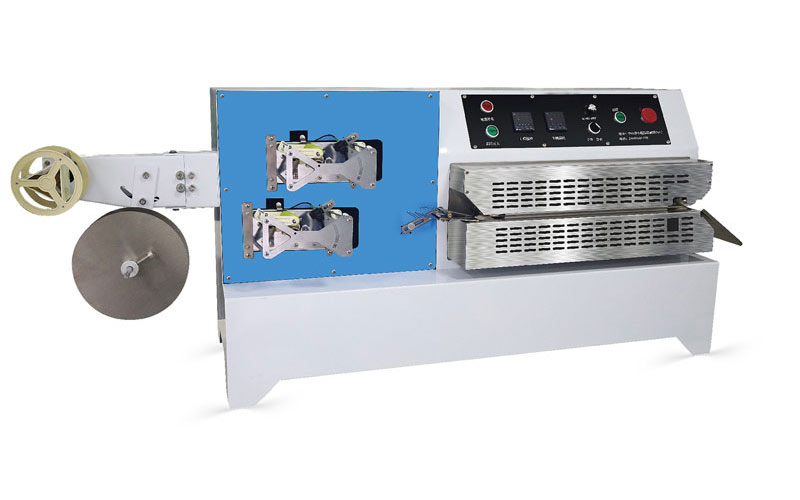
Understanding the Adhesive Tape Machine
An adhesive tape machine is a specialized device used to apply adhesive tapes to fabrics or other materials. These machines are designed to bond materials together without the need for traditional stitching, which is particularly valuable in creating seamless garments. By automating the tape application process, adhesive tape machines significantly reduce production time while ensuring consistent quality and durability.
Traditionally, garment assembly relied heavily on sewing techniques. While stitching is still prevalent in many clothing segments, seamless garment production demands alternative bonding methods to maintain comfort, aesthetics, and flexibility. Adhesive tape machines address these needs by providing a reliable, strong, and invisible bond that is ideal for sportswear, lingerie, swimwear, and other garments where seamlessness enhances the overall design.
Applications in the Seamless Garment Industry
The adoption of adhesive tape machines in the seamless garment industry has revolutionized manufacturing processes. Here are some of the primary applications:
1. Sportswear Manufacturing
Sportswear often requires garments that are lightweight, flexible, and comfortable while maintaining durability under rigorous use. Adhesive tape machines enable manufacturers to produce seamless sportswear with clean finishes, eliminating the discomfort caused by bulky stitches. The tapes can also reinforce high-stress areas such as seams on compression leggings or activewear tops.
2. Lingerie and Intimate Apparel
The intimate apparel sector has strict requirements for softness and invisibility. Stitches in sensitive areas can cause irritation and affect the garment’s aesthetic appeal. By using adhesive tape machines, manufacturers can create lingerie with smooth finishes, ensuring both comfort and elegance. The adhesive tapes applied by the machine maintain a secure bond without compromising the fabric’s softness or flexibility.
3. Swimwear Production
Swimwear benefits greatly from seamless construction, which improves hydrodynamics and wearer comfort. Adhesive tape machines allow the precise application of tapes that can withstand exposure to water, chlorine, and detergents. This technology also facilitates the creation of stylish designs without visible seams, appealing to modern consumers.
4. Medical and Protective Clothing
Seamless construction is critical in medical garments and protective clothing, where seams can become weak points or irritate the skin. Adhesive tape machines ensure that materials are bonded securely and consistently, enhancing the safety and functionality of these garments.
5. Fashion and High-End Apparel
High-fashion and couture garments increasingly incorporate seamless designs for both aesthetics and comfort. Adhesive tape machines allow designers to achieve intricate bonding patterns that would be difficult or impossible with traditional stitching. This has opened new avenues for creativity while maintaining production efficiency.
Types of Adhesive Tape Machines
Adhesive tape machines come in various configurations, each suited to specific production needs. Understanding the differences can help seamless garment manufacturers select the right equipment for their operations.
1. Manual Adhesive Tape Machines
Manual machines require operator intervention for tape application. They are ideal for small-scale production or specialized garments where precision is essential. While slower than automated systems, manual machines provide excellent control over tape placement and pressure, reducing the risk of errors on delicate fabrics.
2. Semi-Automatic Adhesive Tape Machines
Semi-automatic machines combine manual control with automated functions. Operators position the fabric, and the machine applies the tape with consistent heat and pressure. These machines are commonly used in medium-scale production environments, offering a balance between efficiency and flexibility.
3. Fully Automatic Adhesive Tape Machines
Fully automatic adhesive tape machines are designed for large-scale manufacturing. They handle fabric feeding, tape alignment, heating, pressing, and cutting with minimal human intervention. This type of machine ensures high-speed production, uniform quality, and reduced labor costs. It is ideal for brands producing large quantities of seamless garments, such as sportswear lines or fashion collections.
4. Specialized Machines for Specific Tapes
Some adhesive tape machines are designed to work with specific types of tapes, such as thermal adhesive tapes, pressure-sensitive tapes, or waterproof tapes. Selecting a machine compatible with the intended adhesive tape ensures optimal performance and prevents damage to sensitive fabrics.
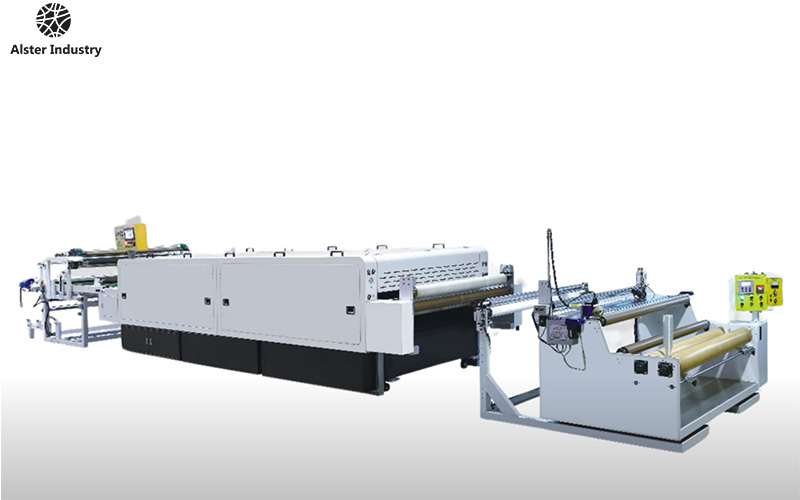
Benefits of Using Adhesive Tape Machines in Seamless Garments
Integrating adhesive tape machines into seamless garment production offers numerous advantages that directly impact product quality, production efficiency, and overall profitability.
1. Enhanced Comfort and Aesthetics
One of the main benefits of using adhesive tape machines is the ability to create garments without visible seams. This not only improves wearer comfort but also elevates the garment’s visual appeal. Adhesive bonding eliminates the bulk of traditional stitching, making garments softer, smoother, and more flexible.
2. Increased Production Efficiency
Adhesive tape machines automate a process that would otherwise be labor-intensive and time-consuming. This leads to faster production cycles, reduced labor costs, and the ability to scale operations without compromising quality. Manufacturers can meet higher demands while maintaining consistency across batches.
3. Strong and Durable Bonding
Modern adhesive tapes used in these machines are engineered to withstand stress, washing, and wear. The machines apply uniform pressure and heat to ensure a secure bond, resulting in durable seams that perform well under daily use. This reliability is critical for garments such as sportswear and swimwear, which are subjected to significant stress.
4. Versatility Across Fabrics
Adhesive tape machines are compatible with a wide range of fabrics, including polyester, nylon, spandex, cotton blends, and technical fabrics. This versatility allows manufacturers to expand their product offerings and experiment with different materials without investing in separate bonding technologies.
5. Cost-Effective Production
Although the initial investment in an adhesive tape machine may be higher than traditional sewing equipment, the long-term benefits are substantial. Reduced labor costs, faster production, lower material waste, and fewer quality defects contribute to a lower overall production cost per garment.
6. Environmental Advantages
Seamless garment production with adhesive tape machines can reduce fabric waste, as it eliminates the need for multiple layers or complex stitching patterns. Additionally, some adhesive tapes are designed to be eco-friendly, supporting manufacturers’ sustainability goals.
Choosing the Right Adhesive Tape Machine
Selecting the appropriate adhesive tape machine requires careful consideration of several factors:
1. Production Volume
Manufacturers must evaluate their production capacity and choose a machine that aligns with their output requirements. High-volume operations benefit from fully automatic machines, while smaller workshops may opt for semi-automatic or manual models.
2. Fabric Compatibility
The type of fabrics used in production will influence machine selection. Some fabrics require specialized adhesive tapes or temperature-controlled bonding to prevent damage or distortion.
3. Tape Type and Quality
The choice of adhesive tape is critical for seam strength and durability. High-quality tapes ensure long-lasting bonds, resist washing and wear, and maintain flexibility. Machines must be compatible with the selected tape type.
4. Maintenance and Technical Support
Reliable technical support and easy maintenance are essential for minimizing downtime. Manufacturers should choose machines from reputable suppliers with a track record of providing spare parts and service.
5. Cost vs. ROI
While advanced adhesive tape machines can be expensive, evaluating the return on investment (ROI) is crucial. Consider factors such as labor savings, production speed, reduced defects, and product quality when assessing cost-effectiveness.
Future Trends in Adhesive Tape Technology
The seamless garment industry continues to evolve, and adhesive tape machines are no exception. Some emerging trends include:
1. Smart Machines with Automation and AI
Next-generation adhesive tape machines are incorporating AI and smart sensors to optimize tape placement, pressure, and temperature. These machines can adapt to different fabrics and designs automatically, reducing errors and further increasing production efficiency.
2. Eco-Friendly Adhesives
Sustainability is a growing concern in the fashion industry. Manufacturers are exploring adhesive tapes made from biodegradable or recyclable materials. Adhesive tape machines are being adapted to work with these eco-friendly alternatives without compromising performance.
3. Multi-Functional Machines
Future machines may combine adhesive application with cutting, folding, or embossing functions. This integration will allow seamless garment manufacturers to consolidate multiple processes into a single production line, reducing labor and energy consumption.
4. Expansion into Customization
As consumers demand personalized and custom-fit garments, adhesive tape machines can support small-batch production with high precision. Advanced machines allow manufacturers to quickly switch designs, tape types, and bonding patterns for customized orders.
Conclusion
The adhesive tape machine in Alster has become a cornerstone of the seamless garment industry. Its ability to create durable, comfortable, and aesthetically pleasing garments without traditional stitching has transformed how manufacturers approach production. From sportswear and lingerie to swimwear and high-fashion apparel, adhesive tape machines provide unparalleled efficiency, versatility, and quality.
As technology continues to advance, adhesive tape machines will become even more intelligent, eco-friendly, and adaptable, enabling manufacturers to meet evolving consumer demands while optimizing production processes. For businesses looking to stay competitive in the seamless garment sector, investing in high-quality adhesive tape machines is not just an option—it is a strategic necessity.
Seamless garment production, powered by adhesive tape machines, represents the future of fashion manufacturing. By adopting this technology, manufacturers can enhance product quality, reduce production costs, and deliver garments that offer superior comfort and style. Whether for small-scale workshops or large industrial operations, adhesive tape machines are an indispensable tool in achieving excellence in the seamless garment industry.