
In the world of textile manufacturing, the demand for seamless, high-quality garments is ever-growing. Traditional methods of stitching or bonding fabric can be time-consuming, less durable, and costly. This is where ultrasonic welding machines, particularly those used for non-woven fabrics, have revolutionized the industry. In this article, we’ll explore the benefits, different types of ultrasonic welding machines, and their diverse applications in making seamless garments and accessories.
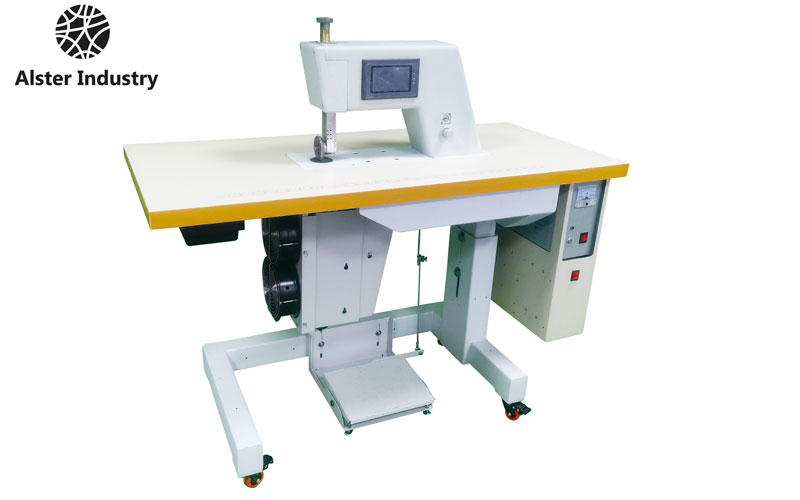
What is an Ultrasonic Welding Machine for Non-Woven Fabric?
An ultrasonic welding machine for non-woven fabric is a specialized tool that uses high-frequency ultrasonic sound waves to bond materials without the need for thread or adhesives. It works by generating rapid vibrations in the form of sound waves, which are directed to the materials. These vibrations create friction, generating heat, which causes the fabrics to melt and bond at the molecular level.
Non-woven fabrics, often used in hygiene products, medical garments, and other specialized clothing, benefit greatly from this technology because it ensures a precise, clean, and strong bond without the need for additional materials.
The ultrasonic welding process offers several advantages:
-
No Thread or Adhesive: It eliminates the need for sewing or gluing, resulting in a cleaner, more cost-effective process.
-
Strong Bonds: Ultrasonic welding creates robust, durable joints that are resistant to environmental stresses.
-
Fast and Efficient: The welding process is quick, reducing production time and increasing throughput.
-
Minimal Environmental Impact: Unlike traditional methods, ultrasonic welding does not require additional chemicals or adhesives, making it an eco-friendly alternative.
Types of Ultrasonic Welding Machines
There are several types of ultrasonic welding machines designed for various applications. Below are a few types specifically used for non-woven fabrics:
-
Ultrasonic Spot Welding Machine
This machine is primarily used for creating strong, spot-welded joints between layers of fabric. It’s ideal for sealing edges, joining small pieces, or attaching labels. -
Ultrasonic Label Spot Welding Machine
A specific type of ultrasonic welding machine used to attach labels or tags to fabric without the need for sewing. It ensures precise placement of labels on garments like shirts, jackets, and even non-woven bags, providing a seamless finish. -
Ultrasonic Seamless Welding Machine
This machine is used to create continuous, seamless seams for garments and products. It’s perfect for creating non-woven garments such as medical gowns, surgical masks, and other hygiene products.
Applications of Ultrasonic Welding Machines for Seamless Garments
How to Make the Placket of a Seamless POLO Shirt by Ultrasonic Cutting and Welding Machine
The placket is a critical part of a POLO shirt, and ultrasonic welding machines offer an excellent way to create it without the need for traditional sewing. Here’s how ultrasonic cutting and welding machines make it possible:
-
Fabric Preparation: The fabric is cut to the desired shape using an ultrasonic cutting tool, which provides a clean edge without fraying or unraveling.
-
Positioning and Alignment: The fabric is aligned within the machine, and the ultrasonic welding tool is used to bond the edges of the placket together.
-
Seamless Bonding: The ultrasonic energy is applied to the fabric edges, melting and bonding them at the molecular level, creating a smooth, secure placket without any visible stitching.
This method ensures a consistent, high-quality finish, improving the overall aesthetics and durability of the garment.
Alster Seamless Ultrasonic Cutting and Welding Machine for Zippers
Zippers can often be tricky to attach to non-woven fabric without adding extra bulk or compromising the quality of the fabric. However, with the Alster seamless ultrasonic cutting and welding machine, manufacturers can seamlessly integrate zippers into garments with ease.
The ultrasonic welding process allows for precise, clean bonding between the zipper and fabric, without the need for stitching or adhesives. This technique is commonly used in sportswear, protective gear, and high-end fashion items, where the zipper must blend seamlessly into the design.
Ultrasonic Welding Machine and Hot Air Seam Sealing Machine for Seamless Hats
For the fashion and accessory industry, seamless hats are in demand due to their comfort and sleek design. The combination of an ultrasonic welding machine and a hot air seam sealing machine can efficiently produce these garments.
-
Seam Sealing: Hot air seam sealing is used to ensure that the seams are water-resistant and durable, preventing leaks and providing extra protection against the elements.
-
Welding: Ultrasonic welding creates strong, lasting bonds that hold the hat’s panels together without visible stitching, enhancing the hat’s aesthetic appeal and comfort.
This technology is particularly useful in manufacturing hats for outdoor use, such as sports hats, rain gear, and technical apparel.
How We Make the Seamless POLO Shirt Placket by Ultrasonic Cutting and Welding Machine
Creating a seamless placket for POLO shirts with ultrasonic welding offers several advantages over traditional methods. The ultrasonic process allows for fast, precise, and clean cuts and bonds, ensuring that the placket is as smooth and durable as possible. By eliminating the need for additional materials like thread or glue, the process is not only efficient but also more cost-effective.
The ultrasonic cutting and welding machine can also work on various types of fabrics, including those that are difficult to stitch with conventional methods. This is especially useful when working with delicate non-woven fabrics that require a high level of precision and care.
How to Make Full Seamless Running Singlets by Ultrasonic Welding Machine and Hot Air Sealing Machine
Running singlets are designed for high performance and comfort, and creating a fully seamless singlet using ultrasonic welding technology ensures that the garment is lightweight, durable, and free from irritation caused by stitching.
-
Ultrasonic Welding for Seams: The ultrasonic welding machine bonds the fabric pieces together, forming seamless seams that are strong yet flexible. These seams are ideal for athletic wear, where flexibility and comfort are paramount.
-
Hot Air Seam Sealing: Hot air seam sealing further enhances the singlet’s quality by ensuring that the seams are secure and moisture-resistant. This is especially beneficial for athletes who require garments that can withstand sweat and outdoor conditions.
Combining ultrasonic welding and hot air sealing ensures that the singlet is not only seamless but also water-resistant and breathable, making it an ideal garment for runners and athletes.
Advantages of Ultrasonic Welding Machines in the Textile Industry
-
Speed and Efficiency: Ultrasonic welding is much faster than traditional stitching methods, which increases production speed and reduces labor costs.
-
Precision and Quality: The process ensures consistent, high-quality bonds, reducing the risk of defects and increasing the durability of the garment.
-
Eco-Friendly: By eliminating the need for chemicals, adhesives, and thread, ultrasonic welding is an environmentally friendly option for garment manufacturing.
-
Cost-Effective: The reduction in material waste and faster production times translate to lower overall production costs.
-
Versatility: Ultrasonic welding machines can be used for a wide range of fabrics and materials, making them versatile tools for various textile applications.
Conclusion
Ultrasonic welding machines for non-woven fabrics have transformed the textile manufacturing process, providing a seamless, cost-effective, and eco-friendly solution for producing high-quality garments. From making seamless POLO shirt plackets to integrating zippers into sportswear and creating full running singlets, ultrasonic welding technology offers a wide range of possibilities. With its ability to deliver precision, speed, and durability, this technology is poised to continue driving innovation in the garment industry.