
In recent years, the demand for comfort, performance, and aesthetic refinement has dramatically reshaped the apparel industry. One of the most transformative technologies behind this evolution is ultrasonic machine application, especially in the seamless garment sector. As brands continue to pursue lightweight, breathable, and high-performance clothing, ultrasonic technology has become a core solution for bonding and fabric processing without traditional stitching.
From seamless sportswear to intimate apparel, ultrasonic systems are redefining production standards. This article explores in depth the ultrasonic machine application in the seamless garment industry, covering its working principle, technical advantages, specific use cases, production process integration, and future development trends.
What Is Ultrasonic Machine Application?
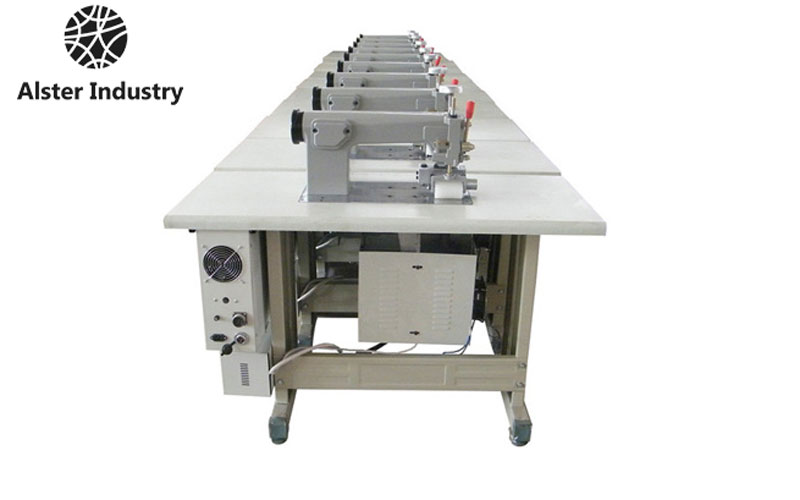
Ultrasonic machine application refers to the use of high-frequency mechanical vibrations to generate heat through friction between materials, enabling bonding, cutting, sealing, embossing, or perforating without needles or thread.
Unlike conventional sewing machines, ultrasonic equipment converts electrical energy into high-frequency mechanical vibration (usually 20kHz–40kHz). These vibrations are transmitted through a horn to the fabric surface. When applied to thermoplastic materials or blended fabrics containing synthetic fibers, the vibration creates localized heat, melting the fibers at the bonding interface. Once pressure is applied and the vibration stops, the material cools and forms a seamless bond.
In the seamless garment industry, this process replaces traditional stitching, offering both functional and aesthetic improvements.
Why Ultrasonic Technology Is Ideal for Seamless Garments
Seamless garments are designed to eliminate bulky seams, reduce friction against the skin, and improve overall comfort. Ultrasonic machine application perfectly aligns with these goals due to several key advantages:
1. No Needle, No Thread
Traditional sewing creates needle holes, which may cause:
- Reduced waterproof performance
- Weak points in stretch fabrics
- Skin irritation during high-movement activities
Ultrasonic bonding eliminates needle perforation entirely, preserving fabric integrity.
2. Improved Comfort and Flexibility
Seamless garments, especially sports bras, yoga wear, compression leggings, and seamless underwear, require smooth joints. Ultrasonic bonding produces flat, soft seams that feel almost invisible against the skin.
3. Enhanced Production Efficiency
Ultrasonic machines operate at high speed, combining cutting and bonding in one process. Compared with conventional stitching, ultrasonic machine application reduces processing time and labor requirements.
4. Clean and Eco-Friendly Process
Because no thread, adhesives, or additional chemical agents are required, ultrasonic bonding is considered a cleaner production technology. This aligns with sustainability goals in modern garment manufacturing.
Ultrasonic Machine Application in Seamless Garment Production
The seamless garment industry relies heavily on thermoplastic fabrics such as polyester, nylon, spandex blends, and microfiber materials. These fabrics respond well to ultrasonic vibration, making bonding strong and durable.
Below are the most common applications.
1. Seamless Sportswear
Global sports brands such as Nike and Adidas have increasingly adopted seamless and bonded technologies in their performance apparel lines.
Ultrasonic machine application is widely used for:
- Bonding shoulder seams in running shirts
- Attaching elastic waistbands
- Creating flat side seams in leggings
- Sealing hems without visible stitching
The result is improved aerodynamic performance, reduced chafing, and better moisture management.
2. Seamless Intimate Apparel
Ultrasonic bonding plays a critical role in:
- Seamless bras
- Bonded panties
- Shapewear
- Silicone-bonded lingerie
For example, in seamless bra production, ultrasonic welding machines bond cup panels, side wings, and elastic edges without stitching. This ensures:
- Smooth appearance under tight clothing
- Improved stretch recovery
- Reduced skin irritation
The ultrasonic machine application in intimate apparel significantly enhances consumer comfort while maintaining structural support.
3. Seamless Polo Shirt Plackets
In high-end sports polo shirts, traditional stitched plackets can appear bulky. Ultrasonic machines can:
- Bond placket layers
- Create decorative embossed lines
- Seal zipper edges
This technique improves the garment’s modern aesthetic while maintaining durability.
4. Seamless Zipper Bonding
Ultrasonic welding machines are used to bond zippers onto lightweight sports jackets and performance tops. Instead of sewing the zipper tape, ultrasonic energy melts and fuses the fabric edge.
Benefits include:
- Water-resistant finish
- Smooth interior surface
- Reduced seam thickness
5. Running Singlets and Compression Wear
High-performance compression garments demand stretch stability and skin comfort. Ultrasonic machine application enables:
- Flat seam construction
- Reinforced bonding at stress points
- Clean edge cutting without fraying
Athletes benefit from reduced friction and improved freedom of movement.
6. Seamless Hats and Accessories
Ultrasonic welding is also applied to:
- Seamless caps
- Headbands
- Gloves
- Arm sleeves
Bonded construction reduces weight while maintaining strength.
Technical Process of Ultrasonic Bonding in Garment Production
Understanding how ultrasonic machine application fits into production lines is essential for manufacturers.
Step 1: Fabric Preparation
The fabric must contain thermoplastic components. Blended materials (such as polyester-spandex) respond best to ultrasonic vibration.
Step 2: Alignment and Positioning
Fabric layers are aligned precisely. Automatic feeding systems improve efficiency and consistency.
Step 3: Ultrasonic Welding
The ultrasonic horn vibrates at high frequency. Pressure is applied simultaneously. Frictional heat melts the fiber interface.
Step 4: Cooling and Solidification
After vibration stops, the material cools rapidly, forming a strong bond.
Step 5: Quality Inspection
Bond strength, elasticity, and visual appearance are inspected.
Types of Ultrasonic Machines Used in Seamless Garments
Different machines are designed for specific garment processes.
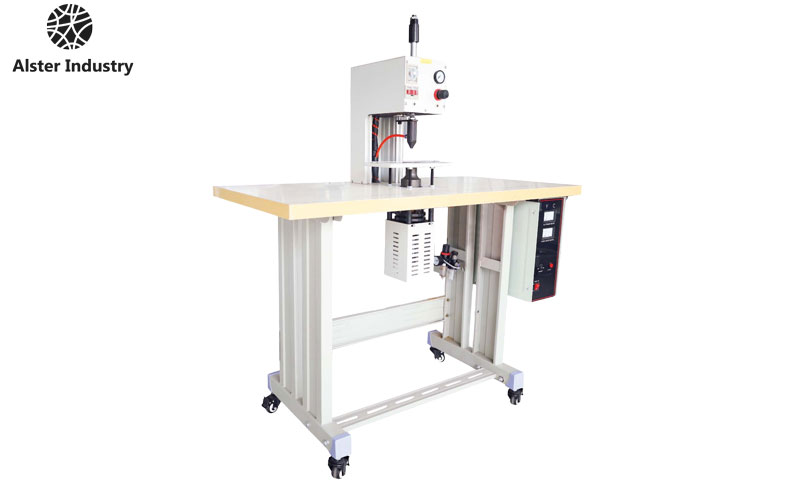
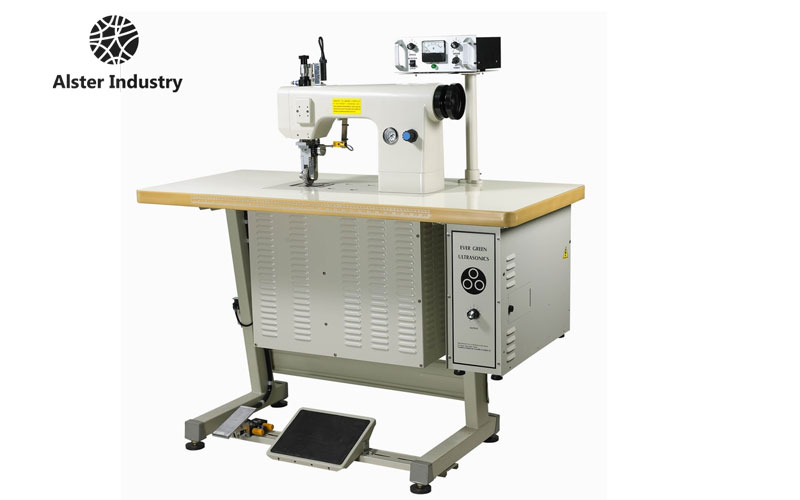
1. Rotary Ultrasonic Welding Machine
Suitable for continuous seam bonding, especially in sportswear production lines.
2. Flatbed Ultrasonic Welding Machine
Used for precision bonding areas like bra cups and small garment components.
3. Ultrasonic Cutting and Sealing Machine
Performs simultaneous trimming and edge sealing, ideal for stretch fabrics.
4. Seamless Bonding Machine with Hot Melt Support
In some applications, ultrasonic bonding is combined with hot melt adhesive films for enhanced durability.
Performance Advantages Over Traditional Sewing
When comparing ultrasonic machine application with conventional stitching:
| Aspect | Ultrasonic Bonding | Traditional Sewing |
|---|---|---|
| Needle holes | None | Present |
| Seam thickness | Very thin | Thicker |
| Waterproof capability | Better | Lower |
| Production speed | Higher | Moderate |
| Labor requirement | Lower | Higher |
| Appearance | Clean & modern | Visible stitches |
These advantages explain why seamless garments continue to grow in popularity worldwide.
Market Trends Driving Ultrasonic Machine Application
Several industry trends are accelerating adoption.
1. Rise of Athleisure
Athleisure continues to expand globally, driven by health-conscious consumers. Seamless, bonded garments dominate this category.
2. Sustainability Goals
Manufacturers seek energy-efficient and material-saving technologies. Ultrasonic bonding reduces thread usage and waste.
3. Automation and Smart Manufacturing
Modern apparel factories are shifting toward automated production. Ultrasonic systems integrate well with digital control systems.
4. Consumer Comfort Expectations
Customers demand lightweight, breathable, and skin-friendly apparel. Seamless technology meets these expectations.
Challenges and Considerations
Although ultrasonic machine application offers numerous benefits, there are considerations:
- Not all natural fabrics respond well to ultrasonic bonding
- Machine parameter adjustment requires technical expertise
- Initial investment cost may be higher than traditional sewing machines
However, long-term efficiency and product value often outweigh the initial cost.
Future Development of Ultrasonic Technology in Seamless Apparel
Looking ahead, ultrasonic machine application will likely evolve in the following directions:
1. Higher Precision Control
Advanced digital control systems will enable more precise energy output.
2. AI Integration
Smart sensors may adjust vibration parameters automatically based on fabric type.
3. Multi-Function Systems
Machines may combine ultrasonic bonding, laser cutting, and embossing into one unit.
4. Broader Material Compatibility
Research is ongoing to expand ultrasonic bonding capability to eco-friendly recycled fibers.
Why Ultrasonic Machine Application Is Essential for Modern Seamless Garments
The seamless garment industry demands innovation in comfort, efficiency, and aesthetics. Ultrasonic machine application provides:
- Superior bonding quality
- Reduced seam bulk
- Higher production efficiency
- Enhanced garment durability
- Improved consumer experience
As the apparel market continues to evolve, ultrasonic technology will remain at the forefront of seamless garment manufacturing.
For manufacturers focusing on seamless sportswear, lingerie, compression garments, and high-performance apparel, investing in advanced ultrasonic equipment is no longer optional — it is a strategic necessity.
Conclusion
Ultrasonic machine application in the seamless garment industry represents a significant technological advancement. By replacing traditional stitching with vibration-based bonding, manufacturers achieve cleaner seams, improved comfort, and higher productivity.
From sportswear to intimate apparel, from zipper bonding to compression wear construction, ultrasonic systems play a central role in modern garment engineering. As automation and sustainability become key industry priorities, ultrasonic bonding will continue to shape the future of seamless clothing production.
For apparel factories aiming to upgrade production lines and improve garment quality, embracing ultrasonic technology is a forward-looking decision that ensures competitiveness in an increasingly demanding global market.