
In recent years, Thermoplastic Polyurethane (TPU) film has gained widespread attention across various industries for its exceptional properties and versatility. TPU is a type of plastic that combines the best features of both thermoplastic and elastomeric materials. The unique characteristics of TPU, such as high flexibility, durability, and excellent resistance to abrasion, make it an ideal material for a wide range of applications, particularly as a film. This article explores the benefits, uses, manufacturing process, and future trends of TPU films in different industries.
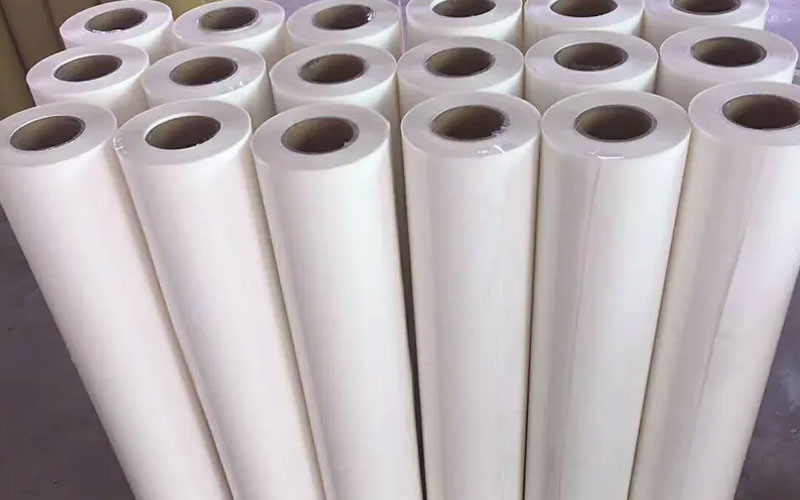
What is Thermoplastic Polyurethane (TPU) Film?
Thermoplastic Polyurethane (TPU) is a high-performance elastomeric material that combines the durability of thermoplastics with the elasticity of rubbers. When processed into a film, TPU exhibits outstanding mechanical properties, including flexibility, high tensile strength, and abrasion resistance. TPU film is produced using various extrusion techniques that allow it to be formed into sheets, rolls, or other shapes.
The key feature of TPU is that it can be molded and reshaped multiple times under heat, without losing its inherent properties. This makes it an excellent choice for applications where durability and flexibility are required, without compromising on performance.
Manufacturing Process of TPU Film
The manufacturing process of TPU film typically involves the following steps:
- Polymerization: TPU is produced through a polymerization process that involves combining diisocyanates and polyols in a controlled reaction. The result is a polymer with excellent elasticity, chemical resistance, and mechanical strength.
- Extrusion: The polymer is then melted and fed into an extrusion machine, which shapes it into film form. During extrusion, TPU can be customized to meet the required thickness, width, and other specific parameters.
- Calendering and Cooling: After extrusion, the TPU film passes through a calendering process, where it is flattened and cooled to achieve the desired texture and thickness. The film can be produced with various finishes, such as matte, glossy, or textured.
- Cutting and Packaging: Once the TPU film is formed, it is cut into the desired dimensions and packaged for shipment to various industries. Custom coatings or additives may be applied to further enhance specific characteristics of the TPU film, such as UV resistance or flame retardancy.
Properties of TPU Film
Thermoplastic Polyurethane film has a range of properties that make it stand out in the market. Here are some of its most notable characteristics:
- Durability: TPU is known for its superior abrasion and tear resistance, which makes it ideal for heavy-duty applications. It performs well in harsh environments where other materials might wear down quickly.
- Elasticity: TPU has excellent flexibility and elasticity, allowing it to stretch and return to its original shape. This feature is crucial in applications where flexibility and movement are required.
- Chemical Resistance: TPU films exhibit a high degree of resistance to oils, greases, and various chemicals, making them suitable for industries like automotive and medical.
- Weatherability: TPU films are resistant to UV rays and can withstand prolonged exposure to outdoor elements without degrading. This makes them ideal for outdoor applications, including signage and protective covers.
- Clarity and Transparency: TPU films can be manufactured to be clear or translucent, making them suitable for applications where visual appearance is important, such as packaging and protective covers.
- Biodegradable Options: In recent years, biodegradable TPU films have emerged as an eco-friendly alternative to traditional plastics, offering sustainability benefits.
Applications of TPU Film
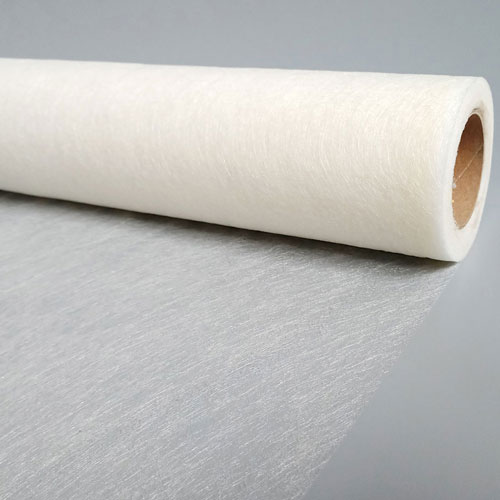
Thermoplastic Polyurethane (TPU) film has a wide range of applications across various industries. Some of the most common uses include:
- Protective Films: TPU films are widely used as protective films in automotive, electronics, and medical devices. Their durability and resistance to scratches and abrasions make them ideal for protecting surfaces and components.
- Packaging: TPU films are often used in packaging materials, especially for products that require high clarity and protection. Their flexibility and strength ensure that they can withstand handling during transportation while keeping the products inside secure.
- Medical Applications: TPU films are used in medical devices and equipment, such as wound dressings, surgical drapes, and medical tubing. Their biocompatibility and ease of sterilization make them a preferred choice for medical applications.
- Textiles and Clothing: TPU films are used in the fashion and textile industries for creating waterproof and breathable fabrics. These films are applied to fabrics to make garments such as jackets, shoes, and protective wear that are both flexible and weather-resistant.
- Solar Panels: TPU film is used in solar panel manufacturing as a protective layer that enhances the panel’s durability. It helps extend the lifespan of the panels by protecting them from environmental factors like moisture and UV rays.
- Automotive Industry: In the automotive sector, TPU films are used for a variety of purposes, including protective films for car bodies, interior components, and soundproofing applications.
- Sports Equipment: TPU films are utilized in the production of sports equipment such as inflatable products, sports shoes, and protective gear, thanks to their excellent durability and flexibility.
Advantages of TPU Film
The widespread adoption of TPU film can be attributed to several significant advantages:
- High Performance: TPU films offer an exceptional balance of performance properties, including toughness, elasticity, and chemical resistance. This makes them ideal for challenging applications in various industries.
- Customization: TPU films can be customized in terms of thickness, texture, transparency, and other factors. This flexibility allows manufacturers to meet the specific needs of different applications.
- Eco-Friendliness: With the growing demand for sustainable products, TPU films offer an eco-friendly alternative to conventional plastics. As mentioned earlier, biodegradable TPU options are becoming more widely available, helping to reduce environmental impact.
- Cost-Effective: While TPU films may have a higher initial cost than traditional plastics, their long lifespan and durability make them a cost-effective solution in the long run.
- Versatility: TPU films can be used in a wide range of industries, including automotive, electronics, textiles, medical, and packaging. Their versatility makes them an essential material in today’s manufacturing landscape.
Future Trends in TPU Film
As the demand for high-performance materials continues to rise, TPU films are expected to see further advancements. Some of the trends that are likely to shape the future of TPU films include:
- Smart TPU Films: The integration of smart technologies into TPU films is an emerging trend. This could involve films with embedded sensors or conductive properties, making them ideal for use in wearable devices, smart packaging, and other innovative applications.
- Sustainability: As sustainability becomes a greater priority, the development of biodegradable and recyclable TPU films is expected to gain momentum. This shift will cater to industries looking to reduce their environmental footprint.
- Nanotechnology: The incorporation of nanomaterials into TPU films could further enhance their properties, such as improving their mechanical strength, UV resistance, or self-healing capabilities.
- Innovative Coatings: The development of advanced coatings for TPU films, such as anti-microbial or anti-fingerprint coatings, will open new possibilities for industries like healthcare, electronics, and automotive.
Conclusion
Thermoplastic Polyurethane (TPU) film is a versatile, high-performance material with a wide range of applications across various industries. Its durability, flexibility, and resistance to chemicals, UV rays, and abrasion make it a top choice for manufacturers in fields such as automotive, medical, packaging, and textiles. As sustainability and technological advancements continue to drive innovation, TPU films are poised to play an even more significant role in the future of manufacturing.
Whether you are an engineer looking for a durable material for your next project or a manufacturer seeking to improve product performance, TPU film offers an array of benefits that can enhance your production processes and deliver superior results.