
In the competitive world of apparel manufacturing, choosing the right machinery is crucial for maintaining production efficiency, quality, and cost-effectiveness. Among the essential equipment for garment production, T shirt sewing machines play a pivotal role. Understanding the t shirt sewing machine price, features, and applications can help manufacturers optimize their operations and make informed investment decisions.
In this comprehensive guide, we will explore everything you need to know about T shirt sewing machines, including their types, functions, factors affecting pricing, production benefits, and how advanced bonding solutions are reshaping the T-shirt manufacturing process.
What is a T Shirt Sewing Machine?
A T shirt sewing machine is a specialized piece of equipment designed to assemble T-shirts with precision and efficiency. Unlike conventional sewing machines, which require manual operation and multiple steps, modern T-shirt machines often integrate automated or semi-automated processes to streamline production. These machines handle tasks such as fabric cutting, seam stitching, hemming, and sometimes even applying adhesive tapes for seamless finishes.
For manufacturers, the choice of a T shirt sewing machine affects not only the production speed but also the quality and consistency of the final product. In addition, the machine’s capabilities influence labor costs, material utilization, and the ability to produce complex designs like functional sportswear, corporate uniforms, or fashion-forward T-shirts.
Factors That Influence T Shirt Sewing Machine Price
When considering the t shirt sewing machine price, several factors come into play. The price is not determined solely by the brand; it also reflects the machine’s technology, production capacity, material compatibility, and automation level. Understanding these factors helps buyers make better purchasing decisions.
1. Machine Type and Functionality
T shirt sewing machines come in various types, each catering to different manufacturing needs:
- Single-Needle Lockstitch Machines: Basic machines suitable for straight stitching and small-scale production. Typically lower in price due to simpler mechanics.
- Double-Needle Machines: Provide parallel stitching for more durable seams, ideal for high-volume production. The price is moderately higher.
- Automated Hemming Machines: Designed for bottom hems and sleeve hems, offering uniformity and speed. Advanced automation increases the cost.
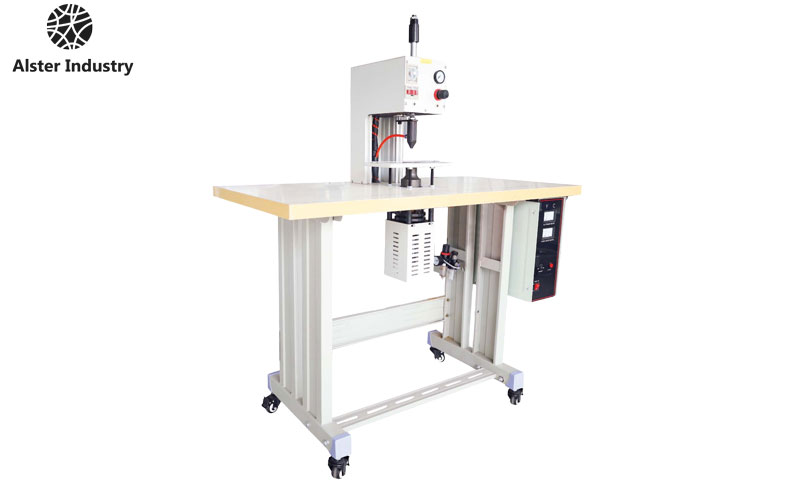
- Ultrasonic and Tape Bonding Machines: Replace traditional stitching with adhesive tape or ultrasonic bonding to produce seamless T-shirts. These machines are higher in price but reduce labor and improve comfort.
Each type of machine contributes differently to t shirt sewing machine price. Advanced machines with integrated automation or ultrasonic bonding technology are often the most expensive but deliver significant long-term savings and quality improvement.
2. Production Capacity and Speed
High-capacity machines capable of processing large volumes of T-shirts per hour generally come with a higher price tag. Factors like stitching speed, fabric handling efficiency, and multi-step automation affect both productivity and cost. Manufacturers targeting mass production will benefit from investing in machines that support high throughput, while small-scale or boutique operations might prioritize versatility over speed.
3. Material Compatibility
Modern T-shirt production involves diverse fabrics such as cotton, polyester, spandex, blends, and functional materials like moisture-wicking textiles. Machines that can handle multiple fabric types without compromising seam quality are priced higher. For example, ultrasonic placket cutting machines and continuous fusing presses are designed to bond synthetic or composite fabrics efficiently, which increases both their functionality and price.
4. Automation and Integration
Automation has become a key trend in garment manufacturing. Machines that integrate multiple processes—such as cutting, tape application, hemming, and fusing—reduce manual labor and ensure consistent quality. Fully automated T-shirt sewing systems, like the ones used for seamless POLO shirt production, come at a higher upfront cost but significantly reduce labor expenses and improve efficiency.
5. Brand and After-Sales Support
The reputation of the manufacturer and the quality of after-sales service influence the t shirt sewing machine price. Reputable brands like Alster® provide not only reliable machines but also technical training, maintenance support, and customization options. These services add value and justify a higher price compared to generic or low-cost alternatives.
Types of T Shirt Sewing Machines
Modern T-shirt production employs a variety of machines, each addressing a specific step in the manufacturing process. While traditional sewing machines handle basic stitching, advanced bonding technologies are transforming the industry.
1. Roller Style Tape Applying Machine
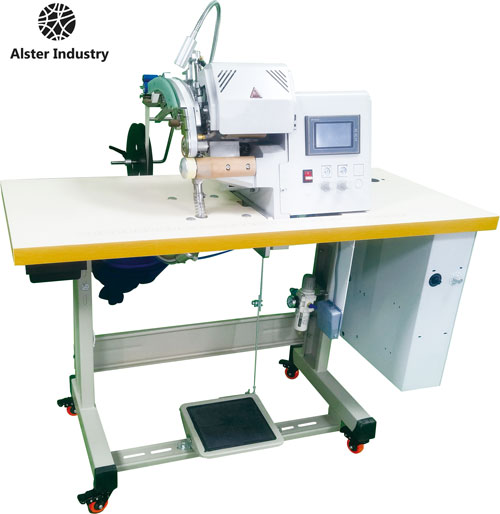
Machines like the AT-103 Roller Style Tape Applying Machine apply hot melt adhesive tape to seam areas, replacing conventional stitches. This approach is ideal for producing seamless T-shirts, offering a smooth, comfortable finish. The precision of these machines ensures consistent bonding and reduces material waste, a key factor in optimizing production costs.
2. Belt Style Hemming Machine
The AT-212 Belt Style Hemming Machine automates the folding and bonding of bottom hems and sleeves. With uniform stitching and fast operation, these machines increase production efficiency. The t shirt sewing machine price for this type depends on automation features, belt speed, and fabric handling capabilities.
3. Continuous Fusing Machine
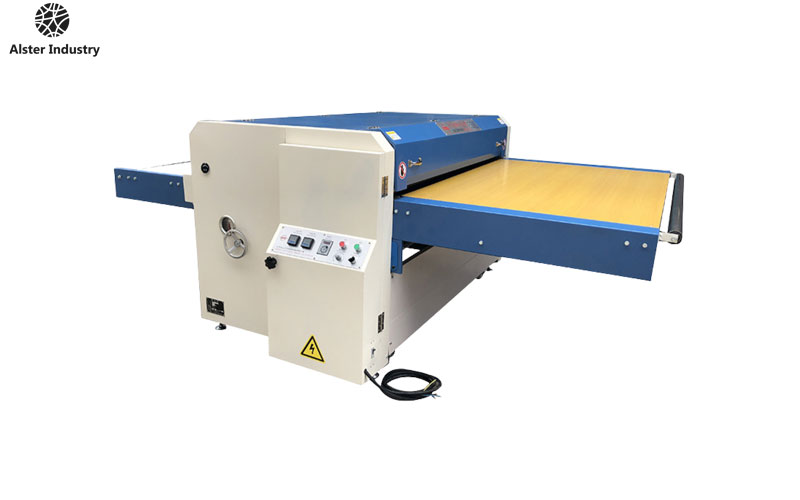
For high-volume operations, continuous fusing machines like the AT-F1200 provide consistent pressure bonding over large fabric areas. These machines are particularly suitable for functional T-shirts with reinforced seams, offering durability and high-quality finishes. Their advanced control systems, temperature regulation, and energy-efficient operation often place them in a higher price range.
4. Ultrasonic Cutting and Punching Machines
Ultrasonic technology, exemplified by the AT-603 Placket Cutting Machine and AT-604 Button Hole Punching Machine, enables precise cutting and punching without fraying or material burn. These machines are essential for producing T-shirts with clean, professional finishes. While their initial cost may be significant, the reduction in defects and labor contributes to long-term savings.
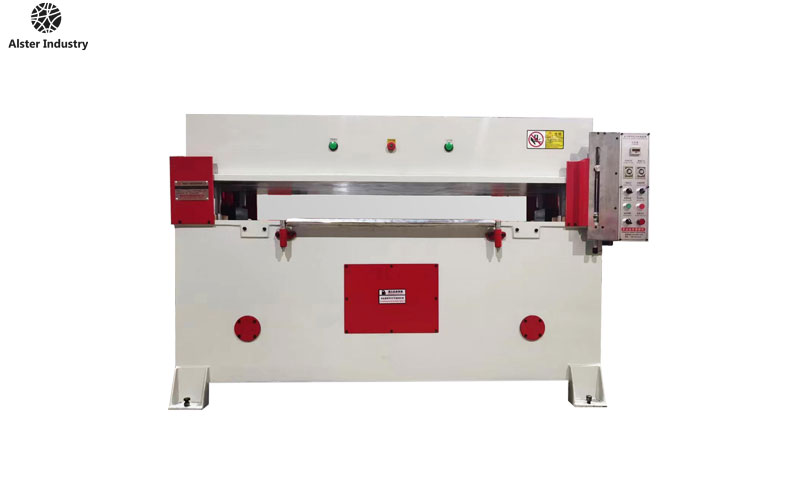
5. Four-Column Hydraulic Plane Cutting Machine
Machines like the AT-P400 allow high-tonnage die-cutting of fabrics, adhesive films, and composites. They ensure accuracy and uniformity, critical for high-quality T-shirt production. Their multifunctional capability often justifies a higher t shirt sewing machine price.
Advantages of Investing in Advanced T Shirt Sewing Machines
Investing in high-quality machines can deliver multiple advantages that outweigh the initial t shirt sewing machine price. These benefits include:
- High Precision and Consistency: Automated systems ensure accurate stitching, bonding, and cutting, reducing errors and material waste.
- Labor Savings: Machines that integrate multiple steps reduce manual labor, lowering operational costs.
- Enhanced Comfort: Seamless or bonded finishes eliminate bulky stitches, improving wearability.
- Energy Efficiency: Modern machines utilize ultrasonic or thermal bonding technologies, consuming less energy while maintaining performance.
- Material Versatility: Machines handle a wide range of fabrics, from cotton and polyester to spandex blends and functional textiles.
- User-Friendly Operation: Intuitive controls allow operators to manage complex processes with minimal training.
Production Process of T-Shirts Using Modern Machines
A streamlined T-shirt production line using advanced sewing and bonding machines typically involves the following steps:
- Fabric Die-Cutting: Machines like the AT-P400 cut fabrics and bonding films with high accuracy, ensuring uniform panels.
- Placket or Sleeve Cutting: Ultrasonic cutting machines provide clean, sealed edges, reducing fraying and improving quality.
- Tape Bonding: Adhesive tape application machines replace traditional stitches, creating seamless, comfortable seams.
- Hemming: Belt style hemming machines fold and bond hems automatically for consistent finishes.
- Continuous Fusing: Fusing machines ensure uniform adhesion across larger panels, improving durability.
- Button Hole Punching: Ultrasonic punching machines create precise holes without burning or damaging fabric.
- Final Inspection: Quality control checks ensure all T-shirts meet production standards.
This process demonstrates how integrating specialized machines can enhance production efficiency while maintaining high garment quality. It also highlights why t shirt sewing machine price should be viewed as an investment in long-term productivity.
How to Evaluate T Shirt Sewing Machine Price vs. Value
When assessing t shirt sewing machine price, it is important to consider both upfront costs and long-term benefits. While lower-priced machines may reduce initial expenditure, they often come with trade-offs such as:
- Lower precision and inconsistent seam quality
- Higher labor costs due to manual operation
- Limited material compatibility
- Increased maintenance and downtime
On the other hand, investing in advanced machines with automation, ultrasonic bonding, or continuous fusing features can:
- Reduce labor dependency
- Increase throughput and efficiency
- Improve garment aesthetics and comfort
- Minimize material waste and defects
Manufacturers should calculate return on investment (ROI) by factoring in labor savings, reduced defects, and production speed, rather than just comparing initial purchase prices.
Application of Advanced T Shirt Sewing Machines
Modern sewing and bonding machines are versatile and suitable for various T-shirt types and applications:
- High-End Athletic T-Shirts: Seamless, moisture-wicking, and durable garments for sportswear brands.
- Fashion and Leisure T-Shirts: Stylish, comfortable T-shirts with clean finishes and high aesthetic appeal.
- Uniforms: Corporate or school uniforms that require consistency, durability, and comfort.
- Quick-Dry or Functional T-Shirts: Performance garments with seamless construction and enhanced breathability.
By selecting the right combination of machines, manufacturers can cater to multiple market segments while maintaining high production standards.
Choosing a Reliable Manufacturer in China
When purchasing T-shirt sewing machines, selecting a reputable manufacturer is crucial. Experienced providers, such as Alster®, specialize in advanced bonding and sewing technologies for seamless garments. Key factors to consider include:
- R&D and Innovation: Companies with in-house R&D teams often offer machines with patented technologies and cutting-edge features.
- Customization Options: The ability to tailor machines to specific production requirements ensures optimal performance.
- Global Client Support: Manufacturers with international experience provide reliable after-sales service, training, and technical support.
- Comprehensive Solutions: Offering a full range of equipment—cutting, bonding, hemming, and fusing—simplifies integration into production lines.
Partnering with an experienced manufacturer helps apparel producers optimize both the t shirt sewing machine price and overall production efficiency.
Tips for Optimizing Production Costs
Even with advanced machinery, optimizing production costs involves careful planning:
- Select Machines Based on Volume: High-capacity machines are ideal for large production runs, while smaller machines suit boutique operations.
- Invest in Automation: Reducing manual steps lowers labor costs and improves consistency.
- Maintain Machines Regularly: Proper maintenance extends machine lifespan and prevents costly downtime.
- Train Operators Thoroughly: Skilled operators maximize machine efficiency and reduce errors.
- Consider Modular Machines: Modular designs allow manufacturers to upgrade or reconfigure machines as production demands change.
By combining the right equipment with effective management, manufacturers can achieve maximum ROI and maintain competitive pricing in the T-shirt market.
Conclusion
Understanding t shirt sewing machine price goes beyond comparing numbers—it involves evaluating the machine’s functionality, automation, material compatibility, and long-term benefits. Modern T-shirt manufacturing increasingly relies on advanced machines, including ultrasonic cutting, tape bonding, continuous fusing, and automated hemming. These technologies offer precision, efficiency, and seamless finishes, making them an essential investment for apparel manufacturers.
While the initial cost may seem high, the benefits of reduced labor, improved garment quality, and increased production speed often outweigh the expense. Partnering with experienced manufacturers like Alster® ensures access to reliable, high-performance machines, technical support, and customized solutions that suit diverse T-shirt production needs.
For manufacturers looking to enhance productivity, reduce costs, and produce high-quality T-shirts, understanding the t shirt sewing machine price and selecting the right machines is the first step toward success in a competitive market.