
In the world of modern garment production, seamless garments are gaining popularity due to their comfort, style, and durability. With the increasing demand for seamless products, the need for innovative machinery that can ensure high-quality production is crucial. One such machine is the hot melt machine, a cutting-edge tool that has been pivotal in transforming the way seamless garments are manufactured.
In this article, we will explore the role of the hot melt machine in the production of seamless garments, its features, advantages, and how it is revolutionizing the garment manufacturing industry.
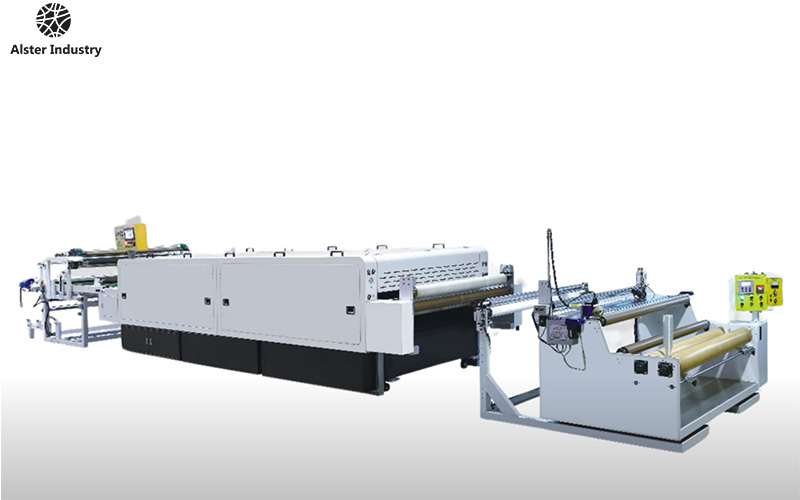
What is a Hot Melt Machine?
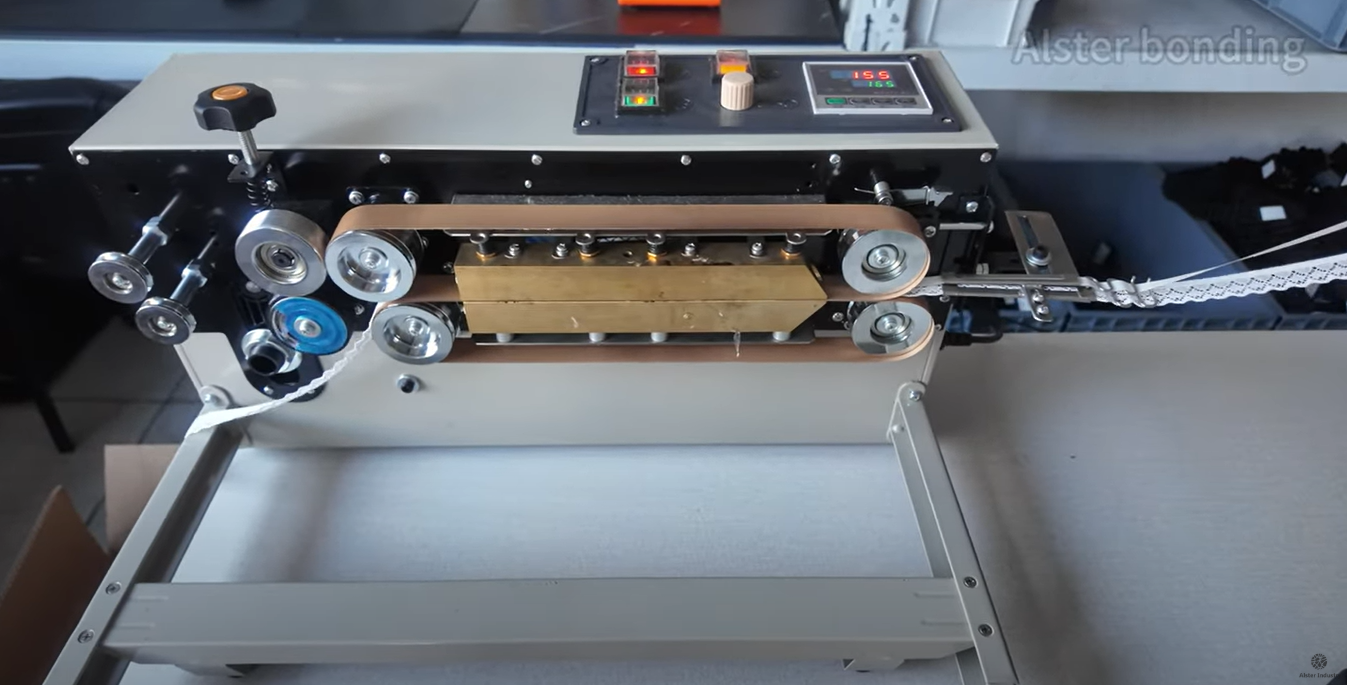
A hot melt machine is a specialized equipment designed for bonding fabrics and materials through the use of hot melt adhesives. These adhesives are solid at room temperature but melt when heated, allowing them to be applied to materials to bond them securely. In the context of seamless garments, hot melt machines are used to fuse different parts of the garment without the need for traditional stitching or sewing.
This technology is not only efficient but also reduces the labor-intensive processes involved in garment production. Hot melt machines are commonly used in various industries, but their role in seamless garment production is particularly significant, as they enable the creation of garments that are both comfortable and durable.
How Does a Hot Melt Machine Work?
The hot melt machine operates through a straightforward yet effective process. Here’s a step-by-step breakdown of how it works in the production of seamless garments:
- Adhesive Preparation: The hot melt adhesive is prepared by heating it to its melting point, which can vary depending on the type of adhesive used. The machine’s heating system is designed to maintain a constant temperature to ensure that the adhesive does not overheat or burn.
- Application: Once the adhesive reaches the appropriate temperature, it is applied to the areas where bonding is required. This can be done in various forms such as dots, lines, or even full surface coverage, depending on the design and specifications of the garment.
- Bonding Process: The adhesive, now in its liquid state, is used to bond the fabrics or components of the garment. The materials are pressed together while the adhesive cools and solidifies, forming a permanent bond.
- Cooling and Setting: After the adhesive has been applied, the garment undergoes a cooling process. As the hot melt adhesive cools, it hardens and forms a strong bond between the fabric layers, holding them together without the need for sewing or other mechanical fastening methods.
- Quality Control: Once the bonding process is complete, the garment is inspected for quality. This includes checking the strength of the bond, the appearance of the garment, and ensuring that no adhesive has spilled or caused defects.
Advantages of Hot Melt Machines in Seamless Garment Production
The use of hot melt machines in seamless garment production offers several key advantages over traditional garment manufacturing methods. These benefits include:
- No Sewing Required: One of the most significant advantages of using a hot melt machine is the elimination of sewing. This is especially important for seamless garments, where stitching would disrupt the smooth, seamless design. The hot melt adhesive creates a bond that is as strong as, or even stronger than, stitched seams.
- Improved Comfort: Since there are no stitches, the garments produced with hot melt technology offer better comfort to the wearer. Traditional stitching can cause irritation or discomfort, especially in sensitive areas like the waistband or side seams. With a seamless garment, there are no rough edges, resulting in a smoother, more comfortable fit.
- Durability: Hot melt adhesive bonds are strong and durable, ensuring that the garment will withstand regular wear and tear. The bond is resistant to washing, stretching, and other forms of stress, making hot melt technology ideal for garments that need to last.
- Faster Production: Hot melt machines significantly speed up the production process. Traditional sewing can be time-consuming, especially for complex garments. With hot melt technology, the bonding process is quicker, which results in faster production cycles and reduced lead times.
- Enhanced Aesthetics: Seamless garments produced with hot melt machines look more aesthetically appealing. There are no visible seams or stitching, giving the garment a sleek, modern appearance. This is particularly important for high-fashion garments or those designed for sports and activewear, where both style and functionality are key.
- Cost-Effective: Although hot melt machines require an upfront investment, they can be cost-effective in the long run. By reducing labor costs associated with sewing and stitching, as well as improving production efficiency, manufacturers can save on overall operational costs. Additionally, the durability of the garments means fewer returns and repairs, further lowering costs.
- Eco-Friendly: Hot melt adhesives are typically more environmentally friendly than traditional sewing methods. The use of adhesives reduces the need for additional materials such as thread or needles, and some adhesives are even biodegradable. Additionally, the elimination of stitching reduces the consumption of energy and resources associated with traditional sewing machines.
Applications of Hot Melt Machines in Seamless Garment Production
Hot melt machines are widely used in the production of various types of seamless garments, particularly in the activewear, lingerie, and sportswear industries. Some of the common applications include:
- Sportswear: Hot melt machines are used to create seamless garments for athletes. The lack of seams allows for greater freedom of movement and reduces friction, making these garments ideal for high-performance sports.
- Lingerie: Seamless lingerie is becoming increasingly popular due to its comfort and smooth fit. Hot melt machines enable the production of lingerie without visible seams, resulting in a sleek and comfortable garment.
- Activewear: For yoga pants, leggings, and other activewear, hot melt machines provide the necessary bonding without compromising on flexibility or comfort.
- Swimwear: Swimwear is often made from stretchy materials that require seamless construction. Hot melt bonding allows manufacturers to create swimwear that fits well, remains durable, and looks great in the water.
- Medical Garments: Some medical garments, such as compression wear or post-surgery garments, benefit from hot melt technology. The seamless design ensures comfort for long-term wear, while the strong adhesive bond ensures the garment holds its shape.
The Future of Hot Melt Machines in Garment Manufacturing
The future of hot melt machines in seamless garment production looks promising. As the demand for seamless, high-performance, and aesthetically pleasing garments continues to rise, the role of hot melt technology will only grow. Manufacturers are constantly improving the efficiency, versatility, and precision of these machines, allowing for even more advanced garment designs and construction techniques.
In the future, we can expect to see:
- Increased Automation: The integration of AI and robotics with hot melt machines will likely lead to further automation in the garment production process, reducing human error and increasing consistency.
- Customization: As the technology advances, it may be possible for manufacturers to create customized seamless garments with more intricate designs, including complex patterns or additional functional features like moisture-wicking or temperature regulation.
- Sustainability: The development of more eco-friendly hot melt adhesives and machines will further align with the growing trend toward sustainable fashion. Hot melt machines may also incorporate more energy-efficient processes and recyclable materials.
- Smarter Machines: Future hot melt machines could incorporate sensors and data analytics to monitor the bonding process in real-time. This would ensure optimal conditions for every garment, reducing waste and increasing overall product quality.
Conclusion
The hot melt machine has proven to be a game-changer in the world of seamless garment production. By offering a more efficient, cost-effective, and comfortable alternative to traditional sewing, hot melt machines are transforming how garments are made. Their ability to bond materials without creating visible seams opens up new possibilities in garment design, allowing manufacturers to produce garments that are not only functional but also aesthetically pleasing.
As the technology continues to evolve, hot melt machines will play an increasingly important role in shaping the future of garment manufacturing. From sportswear to lingerie and medical garments, the seamless designs made possible by hot melt technology are setting new standards in the fashion and garment industries.