
Hot melt adhesives have revolutionized various industries, and their impact in the textile and garment sector is no exception. In particular, hot melt adhesives are an integral part of the seamless garment industry, where they play a critical role in the creation of comfortable, high-performance, and innovative products. This article explores the multiple applications of hot melt adhesives in seamless garments, focusing on their benefits and how they contribute to the production of seamless clothing.
Introduction to Hot Melt Adhesives
Hot melt adhesives are thermoplastic materials that are applied in a molten state. They are typically solid at room temperature but can be melted when heat is applied, allowing for easy bonding of different materials. Once the adhesive cools and solidifies, it forms a strong and durable bond. This unique property makes hot melt adhesives ideal for various applications, especially in industries that require efficient and strong bonding solutions.
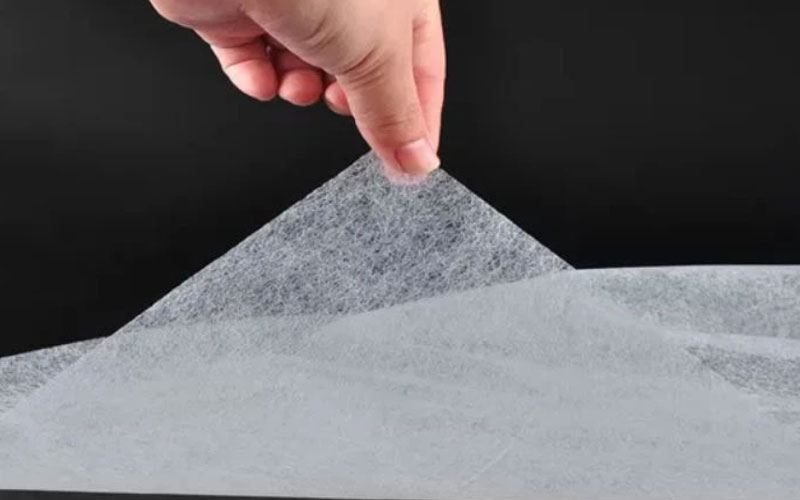
Why Hot Melt Adhesives Are Popular in the Seamless Garment Industry
The seamless garment industry has seen exponential growth due to the increasing demand for comfortable and functional clothing. Seamless garments, which are made without traditional stitching or seams, offer advantages such as reduced friction, greater comfort, and more streamlined designs. Hot melt adhesives have become a cornerstone in this industry because they can bond fabric pieces without the need for needle and thread, providing smooth, comfortable garments.
Benefits of Hot Melt Adhesives in Seamless Garment Production
1. Improved Comfort and Durability
One of the primary benefits of using hot melt adhesives in seamless garments is the enhancement of comfort. Traditional stitching often results in visible seams, which can cause irritation, especially in tight-fitting clothing. Hot melt adhesives eliminate the need for seams, ensuring a smoother, softer surface against the skin. Furthermore, these adhesives create bonds that are highly durable and long-lasting, ensuring the garment remains intact through multiple washes and wears.
2. Faster Production Processes
In the fast-paced fashion industry, time is of the essence. Hot melt adhesives allow for a more efficient production process by reducing the need for stitching, which can be labor-intensive and time-consuming. Manufacturers can apply the adhesive quickly using automated machines, streamlining the production process and increasing overall efficiency.
3. Design Flexibility
Hot melt adhesives offer greater flexibility in garment design. Without the need for traditional stitching, designers can experiment with different materials, colors, and textures, creating garments with intricate patterns and unique looks. Additionally, adhesives can be applied precisely to specific areas of the garment, allowing for a high degree of control and creativity in the design.
4. Strength and Flexibility
Hot melt adhesive films are known for their strong bonding properties. When used in seamless garments, they create a strong, flexible bond that ensures the garment maintains its structural integrity during movement. This is particularly important in activewear, sportswear, and performance wear, where flexibility and durability are essential.
5. Sustainability
The seamless garment industry is also becoming more focused on sustainability. Hot melt adhesives are often chosen because they can be formulated without harmful solvents, making them an environmentally friendly choice. Additionally, the reduced need for stitching helps reduce waste and enhances the recyclability of garments.
Key Applications of Hot Melt Adhesives in Seamless Garments
1. Bonding Waistbands and Cuffs
Hot melt adhesives are commonly used to bond waistbands and cuffs in seamless garments, especially in sportswear, lingerie, and activewear. These areas are typically stress points that require extra durability and elasticity. Hot melt adhesives provide a robust bond that can stretch with the garment, ensuring long-lasting performance without compromising on comfort.
2. Seamless Underwear and Lingerie
Seamless underwear and lingerie are among the most popular garments utilizing hot melt adhesives. These garments require a smooth, seamless finish to ensure comfort, and hot melt adhesives are perfect for this application. The adhesives bond fabric in areas like leg openings, waistbands, and straps without the need for stitching, resulting in a seamless look and feel.
3. Performance Sportswear
Sportswear and performance apparel require flexibility, comfort, and durability. Hot melt adhesives are ideal for bonding the fabric of these garments, providing a lightweight, flexible bond that allows for unrestricted movement. The absence of seams also reduces chafing, making these garments more comfortable during physical activity.
4. Compression Garments
Compression garments, such as those used for medical purposes or athletic performance, also benefit from the use of hot melt adhesives. The adhesive provides a strong bond without adding bulk, ensuring the garment fits snugly and stays in place while offering the necessary compression. This is particularly crucial in garments designed to improve circulation or provide muscle support.
5. Garments with Decorative Elements
In addition to functional garments, hot melt adhesives are used in the creation of decorative seamless garments. For example, intricate lace, appliqué, and embellishments can be securely bonded to the garment using hot melt adhesives. This method ensures that the decorations stay in place without the need for stitching, maintaining the garment’s smooth appearance.
6. Sports Bra Construction
Sports bras often require precise and durable bonding, particularly in the straps and underbust areas. Hot melt adhesives provide a smooth finish in these areas, preventing discomfort and irritation caused by seams. The strong yet flexible bond ensures that the sports bra maintains its shape and functionality, even during intense physical activity.
7. Athletic Footwear
In addition to clothing, hot melt adhesives are also used in the production of seamless athletic footwear. The adhesive is used to bond various layers of materials, such as mesh uppers and rubber soles, providing a lightweight, durable connection. This ensures the shoe’s structure is both supportive and comfortable for athletes.
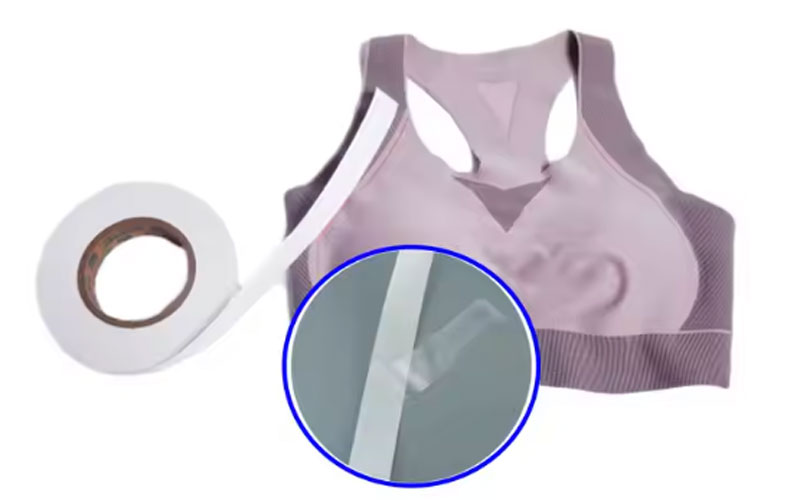
How Hot Melt Adhesives Improve the Quality of Seamless Garments
The use of hot melt adhesives in seamless garments directly enhances the overall quality of the product. By eliminating seams, these adhesives contribute to the creation of garments that are smoother, more comfortable, and less prone to irritation. Additionally, hot melt adhesives help ensure that the garment maintains its shape and functionality over time, providing both aesthetic appeal and long-lasting performance.
Furthermore, hot melt adhesives offer manufacturers a more precise and controlled bonding process. This results in fewer defects and greater consistency in production, which ultimately leads to higher-quality garments for the consumer. The ability to apply the adhesive exactly where needed ensures a flawless finish that meets the high standards expected in the fashion industry.
Types of Hot Melt Adhesives Uses in the Seamless Garment Industry
There are several types of hot melt adhesives used in seamless garment production, each suited for different materials and applications. Some of the most common types include:
- Ethylene Vinyl Acetate (EVA) Adhesives – These adhesives are popular in the garment industry due to their excellent bonding strength and flexibility. EVA hot melts are ideal for lightweight fabrics and provide a smooth, durable bond.
- Polyurethane (PU) Adhesives – Known for their superior flexibility and strength, PU adhesives are often used in sportswear and performance garments. They can withstand stretching and movement without breaking, making them perfect for activewear.
- Polyamide Adhesives – Polyamide-based hot melts offer high adhesion strength and are commonly used for bonding nylon and polyester fabrics. These adhesives are ideal for garments that require both strength and flexibility.
- Polyolefin Adhesives – These adhesives are resistant to moisture and offer excellent durability. They are commonly used in sportswear and outdoor garments, where the garment needs to withstand harsh weather conditions.
The Future of Hot Melt Adhesives in the Seamless Garment Industry
As the demand for seamless garments continues to rise, the role of hot melt adhesives in this industry is expected to grow. The increasing focus on comfort, durability, and sustainability will drive innovations in adhesive formulations, allowing manufacturers to create even more efficient and high-performing products.
Advancements in technology will also lead to improvements in the application process, making it easier for manufacturers to apply hot melt adhesives precisely and consistently. With the ongoing evolution of seamless garment designs and production techniques, hot melt adhesives will continue to be a key factor in the success of this growing industry.
Conclusion
Hot melt adhesives are an indispensable tool in the seamless garment industry. Their ability to provide strong, flexible, and durable bonds without the need for stitching has transformed the way garments are produced. From sportswear to lingerie, hot melt adhesives contribute to the creation of comfortable, functional, and stylish products that meet the needs of modern consumers. As the industry continues to evolve, hot melt adhesives will undoubtedly remain a crucial element in the development of high-quality seamless garments.