
In today’s fast-paced manufacturing environment, the demand for efficient, reliable, and versatile bonding solutions has never been higher. Among various adhesive technologies, the hot melt adhesive film roll has emerged as a key material across multiple industries, including automotive, textiles, electronics, packaging, and construction. Understanding its applications, properties, advantages, and selection criteria can help businesses optimize production efficiency and product quality.
What is a Hot Melt Adhesive Film Roll?
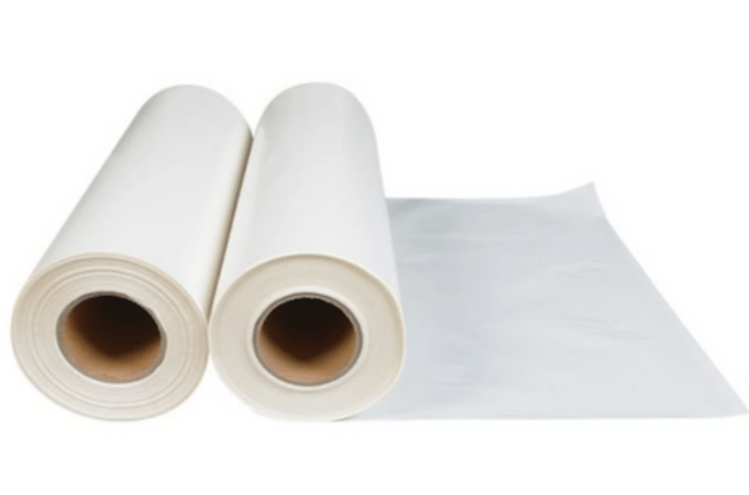
A hot melt adhesive film roll is a solid adhesive material that is supplied in the form of a roll or sheet. Unlike liquid adhesives, it does not require solvents or water for activation. Instead, it relies on heat to melt the adhesive, allowing it to bond surfaces effectively. Once cooled, the adhesive solidifies and forms a durable bond. The film format provides uniform thickness, precise application, and easy handling, making it ideal for automated production lines.
Hot melt adhesive film rolls are typically composed of thermoplastic polymers such as ethylene-vinyl acetate (EVA), polyamide, polyurethane, polyester, or polyethylene. These polymers can be modified with tackifiers, plasticizers, fillers, and other additives to achieve desired adhesion, flexibility, and temperature resistance.
Key Features of Hot Melt Adhesive Film Rolls
The popularity of hot melt adhesive film roll in industrial applications is largely due to its unique features:
- Solvent-Free: As a solid thermoplastic, hot melt adhesive films do not contain volatile organic compounds (VOCs), making them environmentally friendly and safer for workers.
- Rapid Bonding: The adhesive melts quickly upon heating and solidifies rapidly upon cooling, significantly reducing production cycle times.
- Strong Adhesion: Hot melt films provide excellent adhesion to various substrates, including metals, plastics, textiles, wood, and composites.
- Precision Application: Being in film form allows for accurate placement and uniform thickness, which is essential in applications like electronics and automotive interiors.
- Flexibility: They offer good flexibility after bonding, accommodating material expansion, contraction, or vibration.
- Customization: Manufacturers can tailor thickness, width, adhesive composition, and release liner type according to specific production requirements.
Types of Hot Melt Adhesive Film Rolls
Hot melt adhesive film rolls can be classified based on their polymer composition and application methods:
- EVA-Based Films: Ethylene-vinyl acetate is widely used for textile bonding, footwear, and packaging due to its excellent flexibility and moderate heat resistance.
- Polyamide-Based Films: Known for high-temperature resistance and strong adhesion to metals and plastics, polyamide films are commonly used in automotive and electronics assembly.
- Polyurethane-Based Films: Offering durability, elasticity, and chemical resistance, polyurethane hot melt films are ideal for laminating fabrics, leather, and composite panels.
- Polyester-Based Films: These films are strong, heat-resistant, and suitable for structural bonding applications where mechanical strength is critical.
- Hybrid Films: Some advanced hot melt adhesive films combine multiple polymers to achieve a balance of adhesion, flexibility, and thermal stability.
Applications of Hot Melt Adhesive Film Rolls
The versatility of hot melt adhesive film roll makes it suitable for a wide range of industries. Key applications include:
1. Textile and Apparel Industry
Hot melt adhesive films are extensively used in the textile and apparel sector for lamination, bonding, and hemming applications. They can join fabrics, synthetic leather, and other materials without stitching, enabling lightweight, seamless, and aesthetically pleasing designs. Sportswear, outdoor apparel, and fashion items increasingly rely on hot melt films for high-quality bonds and flexible seams.
2. Footwear Industry
In shoe manufacturing, hot melt adhesive film roll is used to bond soles, insoles, and upper materials. EVA-based adhesive films are particularly popular due to their cushioning, flexibility, and resistance to repeated bending. They help reduce the reliance on traditional glues, speeding up assembly and improving product durability.
3. Automotive Industry
The automotive sector leverages hot melt adhesive films in interior assembly, headliner lamination, insulation panel bonding, and trim attachment. Polyamide and polyurethane films offer high-temperature resistance and strong adhesion, ensuring the longevity of interior components under harsh conditions. Hot melt films also support lightweight vehicle design by enabling bonding instead of mechanical fasteners, which can reduce weight and improve fuel efficiency.
4. Electronics and Electrical Components
In electronics, hot melt adhesive film roll is used for PCB assembly, display bonding, and insulation applications. Its precision and uniform thickness ensure reliable adhesion without affecting electronic performance. These films are valued for their dielectric properties, heat resistance, and ability to bond delicate components.
5. Packaging Industry
Hot melt adhesive films simplify packaging processes by providing quick, strong seals for cartons, blister packs, and laminated packaging. They reduce the need for traditional wet adhesives, shorten curing times, and maintain clean edges. This efficiency is especially beneficial in high-speed automated packaging lines.
6. Construction and Industrial Laminates
Hot melt adhesive films are used to bond laminates, composite panels, and decorative surfaces in construction and furniture manufacturing. Their strong adhesion and heat-activated properties enable efficient assembly while ensuring aesthetic and structural quality.
Advantages of Using Hot Melt Adhesive Film Rolls
Choosing hot melt adhesive film roll over traditional liquid adhesives or mechanical fasteners offers several advantages:
- Eco-Friendly: Solvent-free composition reduces environmental impact and exposure to harmful VOCs.
- Time-Efficient: Rapid activation and bonding accelerate production cycles.
- Cost-Effective: Reduced labor, faster processing, and minimal waste result in lower overall costs.
- High Performance: Offers strong adhesion, flexibility, and durability suitable for demanding applications.
- Automated Friendly: Ideal for modern automated production lines, including heat presses, laminators, and hot roll applicators.
- Clean and Precise: Minimizes mess compared to liquid adhesives and ensures uniform bond lines.
Factors to Consider When Selecting Hot Melt Adhesive Film Rolls
Selecting the right hot melt adhesive film roll requires understanding your materials, process, and performance requirements:
- Substrate Compatibility: Identify the materials you need to bond. Metals, plastics, textiles, and composites each require specific adhesive chemistries for optimal performance.
- Operating Temperature: Consider the temperature range the bonded product will encounter. Polyamide or polyester films may be necessary for high-heat applications.
- Thickness and Width: Film thickness affects bond strength and flexibility. Rolls are available in various widths to suit production machinery and application needs.
- Bonding Method: Hot melt films can be applied via heat press, laminator, or roll coater. Ensure the film and equipment are compatible.
- Environmental Resistance: For outdoor or harsh applications, select films resistant to moisture, chemicals, or UV exposure.
- Mechanical Requirements: Consider shear strength, peel strength, and flexibility required for the application.
- Production Efficiency: Choose films that minimize handling time, waste, and processing steps.
Best Practices for Using Hot Melt Adhesive Film Rolls
To maximize efficiency and bond quality, consider these best practices:
- Pre-Check Substrate: Ensure surfaces are clean, dry, and free of dust, oil, or other contaminants.
- Proper Heating: Follow the recommended temperature range for melting the adhesive. Overheating may degrade adhesive performance.
- Uniform Pressure: Apply even pressure during bonding to ensure consistent contact and strength.
- Cooling Time: Allow adequate cooling for the adhesive to solidify before handling.
- Storage Conditions: Keep films in a dry, cool environment to maintain shelf life and prevent premature melting or contamination.
- Automation Integration: If using automated laminators or presses, adjust speed, temperature, and pressure to optimize bond quality and minimize waste.
Trends and Innovations in Hot Melt Adhesive Film Technology
The hot melt adhesive film industry is evolving rapidly with new innovations:
- Eco-Friendly Polymers: Development of bio-based polymers and low-VOC formulations reduces environmental impact.
- High-Performance Films: Films with improved heat resistance, chemical resistance, and peel strength expand application possibilities.
- Precision Coatings: Advanced coating technologies allow for ultra-thin films with uniform adhesion properties.
- Customizable Rolls: Tailored adhesive compositions, thicknesses, and widths support specialized industrial applications.
- Integration with Smart Manufacturing: Automated production lines now incorporate inline quality monitoring for consistent adhesion and minimal waste.
Why Choose a Professional Hot Melt Adhesive Film Roll Supplier
For manufacturers, sourcing reliable hot melt adhesive film rolls is crucial. A professional supplier can provide:
- Expert guidance on adhesive selection for specific applications.
- Custom roll sizes and thicknesses for your production line.
- Consistent quality and reliable delivery schedules.
- Technical support for application optimization.
- Compliance with environmental and safety standards.
Partnering with a trusted supplier ensures that your production remains efficient, consistent, and competitive in the global market.
Conclusion
The hot melt adhesive film roll is a versatile, efficient, and high-performance bonding solution widely used across textiles, footwear, automotive, electronics, packaging, and construction industries. Its solid-state, solvent-free design, rapid activation, and precise application make it a superior alternative to traditional adhesives. By understanding its types, properties, applications, and selection criteria, manufacturers can enhance productivity, reduce costs, and ensure reliable, long-lasting bonds.
As industries continue to embrace automation, sustainability, and high-speed production, the demand for high-quality hot melt adhesive film rolls is expected to grow. Choosing the right film, integrating best practices, and partnering with a knowledgeable supplier can provide a significant competitive advantage in today’s manufacturing landscape.