
In the world of garment manufacturing, innovation plays a significant role in shaping the production process and the final product. One such innovation that has been gaining attention is the heat adhesive film, a key material used in the production of seamless garments. This versatile material, often referred to as heat activated adhesive film or heat activated laminating film, has revolutionized the way garments are produced, allowing manufacturers to create seamless designs with excellent durability, comfort, and functionality.
In this article, we will explore the function of heat adhesive films in seamless garments, highlighting their various benefits, types, and how they contribute to the production of high-quality, innovative clothing.

What is Heat Adhesive Film?
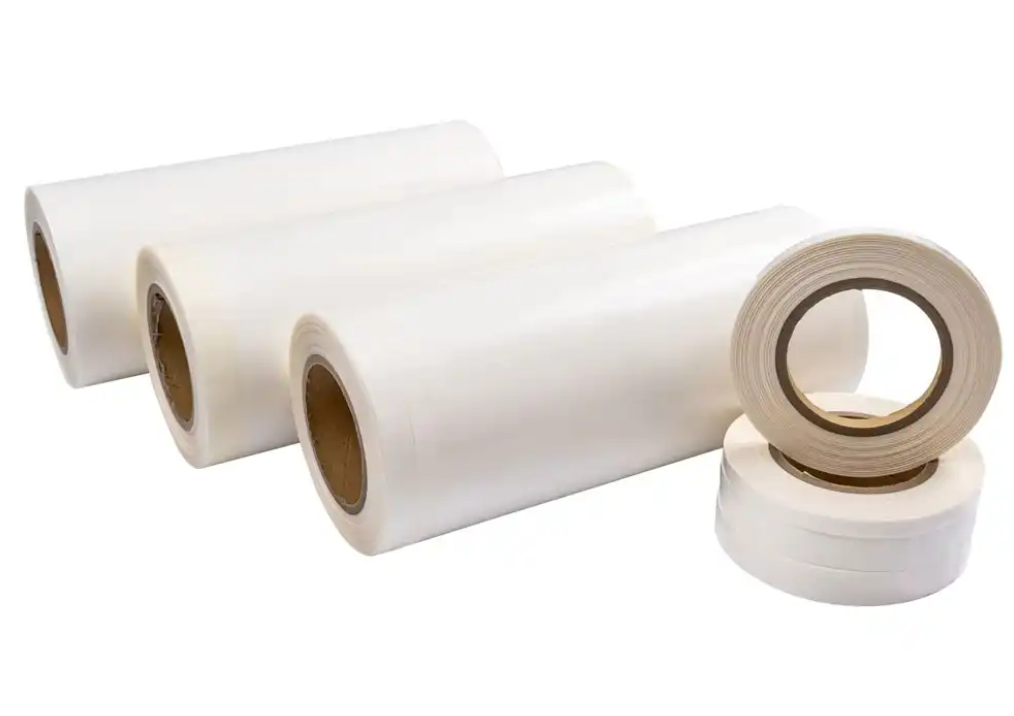
Heat adhesive film is a type of material that bonds fabrics or other materials together when exposed to heat. This adhesive film is activated by heat, which causes it to melt and bond the layers together. Unlike traditional sewing, which involves stitching the fabric with threads, heat adhesive films provide a seamless and often stronger alternative.
The film can be applied to various fabric types, and when heated, it forms a strong, flexible bond. This process eliminates the need for visible seams, which is particularly important in seamless garment design, where aesthetics, comfort, and functionality are key factors.
The Role of Heat Adhesive Film in Seamless Garment Production
In seamless garment production, heat adhesive films play a crucial role in creating garments that are not only aesthetically pleasing but also more comfortable to wear. Here’s how they contribute to the process:
-
Seamless Bonding of Fabrics
One of the main functions of heat adhesive films is their ability to seamlessly bond fabrics together. Traditional sewing methods require visible stitches, which can cause discomfort and irritation on the skin. Heat adhesive films, on the other hand, create a smooth, seamless surface, making the garment more comfortable and less likely to cause friction or skin irritation.
-
Increased Durability and Strength
When applied correctly, heat adhesive films provide a strong bond that can withstand regular wear and washing. The strength of the adhesive film ensures that the garment maintains its integrity over time, even under stress or after multiple washes. This makes heat adhesive films an ideal choice for garments that need to be durable and long-lasting, such as activewear or sportswear.
-
Flexibility and Stretchability
Heat adhesive films offer excellent flexibility and stretchability, which is essential for creating garments that move with the body. Unlike traditional stitching, which can restrict movement, heat adhesive films allow the garment to retain its stretchiness and flexibility, making them ideal for sports and performance wear.
-
Enhanced Comfort
Because heat adhesive films eliminate the need for stitching, garments made with this material are often lighter and more comfortable to wear. The absence of bulky seams allows the garment to mold more closely to the body, providing a second-skin-like fit. This is particularly beneficial in garments that need to be form-fitting, such as leggings, activewear, and shapewear.
Types of Heat Adhesive Films
There are several types of heat adhesive films, each designed for specific applications. These include:
- Heat Activated Adhesive Film for Garments: This type of film is designed specifically for use in garment manufacturing. It is typically applied between layers of fabric, where it is activated by heat to bond the materials together. Heat activated adhesive films are commonly used in the production of seamless garments, as they provide a smooth, flexible bond that is perfect for form-fitting clothing.
- Heat Activated Laminating Film: Heat activated laminating film is used to bond layers of fabric or other materials together, creating a laminated effect. This film is often used for outerwear or garments that require additional durability, such as jackets or coats. The film not only bonds the materials but also adds an extra layer of protection against environmental factors like wind and water.
- Hot-Melt Adhesive Film: Hot-melt adhesive films are thermoplastic materials that, when heated, turn into a liquid and bond the fabric layers together. These films are commonly used in the production of sportswear, as they provide a durable, flexible bond while allowing the garment to retain its stretchability.
Advantages of Heat Adhesive Films in Seamless Garments
Heat adhesive films offer numerous advantages that make them an attractive option for seamless garment production:
-
Aesthetic Appeal
The seamless nature of garments made with heat adhesive films gives them a clean, sleek, and modern appearance. The lack of visible seams contributes to the garment’s overall aesthetic, making it more attractive to consumers who are looking for stylish, cutting-edge designs.
-
Reduced Production Time
Heat adhesive films speed up the garment production process by eliminating the need for traditional stitching. This not only reduces the time spent on each garment but also minimizes the amount of labor required. Manufacturers can produce more garments in less time, increasing productivity and reducing overall production costs.
-
Versatility in Design
Heat adhesive films allow for greater flexibility in design. Since the bonding process is seamless, manufacturers have more freedom to experiment with shapes, cuts, and styles. This makes heat adhesive films ideal for creating complex designs, such as intricate patterns or non-traditional garment shapes, which would be difficult to achieve with traditional stitching methods.
-
Improved Comfort and Fit
As mentioned earlier, the seamless nature of heat adhesive films makes garments more comfortable to wear. The absence of seams prevents discomfort and irritation, providing a better fit and allowing for more movement. This is especially important in performance wear, where comfort and flexibility are crucial for optimal performance.
-
Eco-Friendly Manufacturing
Since heat adhesive films do not require thread or additional materials like zippers or buttons, they help reduce the overall environmental impact of garment production. The reduction in waste and the ability to use fewer materials make heat adhesive films an eco-friendly option for manufacturers looking to reduce their carbon footprint.

Applications of Heat Adhesive Film in Seamless Garments
Heat adhesive films are used in a wide variety of seamless garments. Some of the most common applications include:
-
Activewear
Heat adhesive films are particularly popular in the production of activewear, including leggings, sports bras, and performance tops. These garments require flexibility, stretch, and durability, all of which are provided by heat adhesive films. The seamless design ensures that athletes and fitness enthusiasts can move freely without being restricted by bulky seams.
-
Shapewear
Shapewear is another area where heat adhesive films are commonly used. The seamless design provides a smooth, comfortable fit that enhances the wearer’s figure without causing discomfort or irritation. The heat adhesive film bonds the layers of fabric together, creating a sleek, seamless garment that shapes and smooths the body.
-
Lingerie
Heat adhesive films are also used in the production of seamless lingerie. The soft, flexible nature of the film ensures that the garment fits comfortably and provides a smooth, invisible look under clothing. This is especially important for lingerie that is designed to be worn under tight-fitting clothes, such as dresses or skirts.
-
Sportswear
In the sportswear industry, heat adhesive films are used to create high-performance garments that can withstand the demands of intense physical activity. The films provide a durable, flexible bond that allows the garment to stretch and move with the body, making them ideal for sports like running, cycling, and gym workouts.
-
Outerwear
Heat activated laminating films are commonly used in outerwear production, particularly for jackets, coats, and rainwear. These films add an extra layer of protection, keeping the wearer dry and warm in challenging weather conditions. The bonding process ensures that the garment remains intact even in harsh environments.
Conclusion
Heat adhesive films, including heat activated adhesive films and heat activated laminating films, have revolutionized the garment manufacturing process, particularly in the production of seamless garments. These films provide numerous benefits, including seamless bonding, increased durability, flexibility, enhanced comfort, and eco-friendly manufacturing. They are used in a wide range of applications, from activewear and shapewear to outerwear and sportswear, making them an essential material in the modern garment industry.
As the demand for seamless and high-performance garments continues to rise, heat adhesive films will remain at the forefront of innovation in garment production, offering manufacturers a reliable and efficient way to create stylish, comfortable, and durable garments.