
In recent years, the textile and garment industry has been shifting from traditional sewing methods to more advanced bonding technologies. Among these innovations, bonding film has become a core material for producing seamless, lightweight, and high-performance apparel. Whether it is sportswear, underwear, shapewear, outdoor jackets, or fashion garments, bonding film provides exceptional adhesion, flexibility, and durability without relying on needle-and-thread stitching.
This long-form guide explores what bonding film is, why it is essential for modern seamless garments, the main types used in the apparel industry, their advantages, and typical applications. If you are a garment manufacturer, designer, or sourcing professional, this article will give you a comprehensive understanding of bonding film and how to choose the right type.
1. What Is Bonding Film in the Textile Industry?
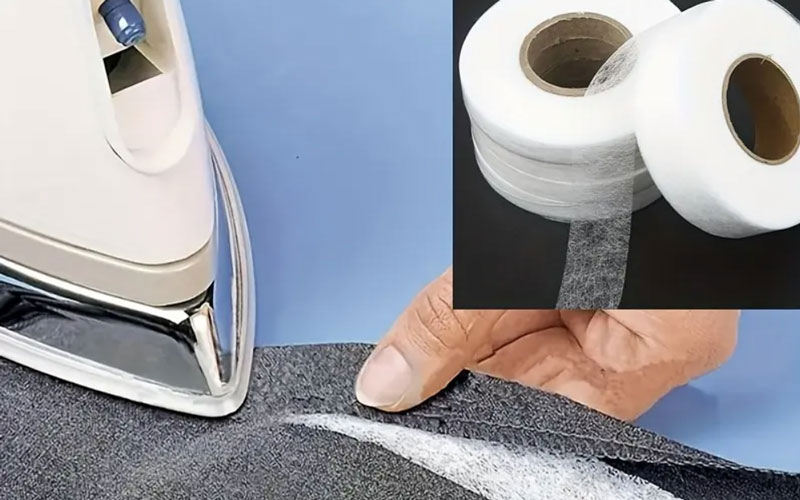
Bonding film is a thermoplastic adhesive layer that bonds fabrics together through heat and pressure. It acts as a “glue film” that adheres two or more textile layers, replacing traditional stitches and creating a smooth, clean look. When heated, the film softens and flows into the fibers of the fabrics; once cooled, it forms a strong and durable connection.
Because it is used in seam areas, hems, elastic edges, logos, and decorative panels, bonding film must provide:
- Strong adhesion
- Good elasticity
- Soft hand-feel
- Resistance to washing and dry cleaning
- Long-term durability
For seamless clothing, the bonding process is typically done with machines such as hot air seam sealers, flat heat presses, ultrasonic bonding machines, or hot rollers.
The evolution of bonding film from thick glue sheets to ultra-thin elastic films has dramatically improved garment comfort and performance.
2. Why Bonding Film Is Essential for Seamless Clothing
The global sportswear and underwear sectors increasingly rely on bonding film because it enables higher-quality construction and better user experience. Here are the main benefits:
2.1 Eliminates Needle Holes
Traditional stitches create small holes along the seam. Bonding film removes these holes, leading to:
- Cleaner appearance
- Better waterproof and windproof performance
- Increased garment durability
This is especially useful for activewear and outdoor wear.
2.2 Improves Comfort
Bonded seams lie flat and feel smooth against the skin. There is no friction from seam ridges or thread knots, making it ideal for:
- Yoga wear
- Running apparel
- Intimate underwear
- Compression garments
Consumers increasingly prefer bonded garments for comfort.
2.3 Enhances Fabric Stretch and Movement
Many bonding films are elastic, which allows the seam to stretch together with the fabric. This improves:
- Body fit
- Mobility
- Longevity of performance wear
It is a perfect match for spandex-blended and high-elasticity fabrics.
2.4 Enables Minimalist Aesthetic Design
Bonding film helps achieve clean-cut lines, invisible seams, and smooth contouring. Designers can bring futuristic, modern apparel styles without being limited by stitching.
2.5 Strengthens Functional Performance
Depending on the type, bonding film can enhance:
- Waterproofing
- Heat insulation
- Reflective graphic bonding
- Reinforcement of stress points
This flexibility is why bonding film is widely used in outdoor jackets and technical apparel.
3. Main Types of Bonding Film for Seamless Clothing
Different garment applications require specific bonding films. Below are the most commonly used categories in the apparel industry.
3.1 Polyurethane (PU) Bonding Film
PU bonding film is the most widely used type for seamless garments because it is soft, elastic, and highly durable. It bonds especially well with stretch fabrics such as nylon-spandex and polyester-spandex blends.
Advantages
- Excellent stretch and recovery
- Soft and comfortable
- High durability and wash resistance
- Suitable for breathable and lightweight fabrics
Typical Uses
- Sportswear seams
- Underwear bonding
- Leggings and yoga wear
- Elastic hems
- Laser-cut fabric edges
PU film is the preferred choice for premium seamless garments requiring high elasticity.
3.2 Polyamide (PA) Bonding Film
PA bonding film is known for strong adhesion to synthetic and natural fibers. It has slightly lower elasticity than PU but provides superior structural strength.
Advantages
- Strong adhesion to both natural and synthetic fabrics
- High washing and dry-cleaning resistance
- Excellent temperature stability
Typical Uses
- Heavy fabrics
- Luggage and accessories
- Sports jackets
- Bonding patches or reinforcement areas
This film is often used when garments need both strength and durability.
3.3 Polyester (PES) Bonding Film
PES bonding film is suitable for medium and high-temperature bonding. It works well with polyester fabrics and mixed fiber fabrics.
Advantages
- Cost-effective
- Stable bonding strength
- Resistant to aging
Typical Uses
- Casual wear
- Decorative bonding
- Labels and logos
- Hemming lightweight fabric panels
It is an economical solution for garments where high elasticity is not required.
3.4 TPU Elastic Bonding Film
Though similar in some aspects to PU film, TPU bonding film stands out for its high elasticity, clarity, and abrasion resistance.
Advantages
- Ultra-high elasticity
- Transparent and invisible
- Suitable for both high and low temperatures
Typical Uses
- Stretchable sportswear
- Mesh fabric bonding
- Transparent seamless hems
- Swimwear bonding
TPU film is ideal for garments that require flexible and invisible adhesion.
3.5 Hot-Melt Adhesive Web Film
Hot-melt web films are net-shaped adhesive structures rather than solid sheets. They offer breathability and softer handling.
Advantages
- Lightweight
- Highly breathable
- Easy to cut and position
Typical Uses
- Seam tapes
- Bonding embroidery patches
- Outerwear bonding
- Lining attachment
This type is popular in fashion garments where fabric comfort and breathability are essential.
3.6 Double-Sided Bonding Film
Double-sided bonding film provides adhesive on both sides, allowing easy bonding of two fabrics or a fabric with accessories.
Advantages
- Easy positioning
- Strong dual-surface bonding
- Suitable for small components
Typical Uses
- Zipper reinforcement
- Waistbands and cuffs
- Applique bonding
- Bra cup assembly
It is commonly used in production lines requiring fast assembly.
4. Key Performance Requirements of Bonding Film
To ensure product quality, bonding films must pass several industry-standard performance tests.
4.1 Adhesion Strength
The bond must withstand stretching, pulling, and washing without peeling off.
4.2 Elasticity and Recovery
To match high-performance fabrics, the bonding film must stretch without losing shape.
4.3 Washing Durability
Garments typically require resistance to:
- Standard washing
- High-temperature washing
- Softener exposure
4.4 Temperature Stability
Bonding film must maintain performance under a wide temperature range:
- Cold temperatures (outdoor wear)
- Heat and sweat exposure
4.5 Softness and Hand Feel
Bonded seams should feel smooth and not stiff or bulky.
4.6 Environmental Safety
Many manufacturers choose films that are:
- OEKO-TEX certified
- Free of toxic chemicals
- Eco-friendly
Sustainable bonding films are gaining significant market demand.
5. Uses of Bonding Film Across Garment Categories
Bonding film has versatile uses across different fashion, sports, and functional clothing sectors.
5.1 Sportswear and Activewear
Bonding film is essential for high-performance sports apparel:
- Seamless yoga leggings
- Running T-shirts
- Cycling jerseys
- Compression garments
- Outdoor stretch jackets
These garments require elasticity and comfort, which bonding film provides effectively.
5.2 Underwear and Lingerie
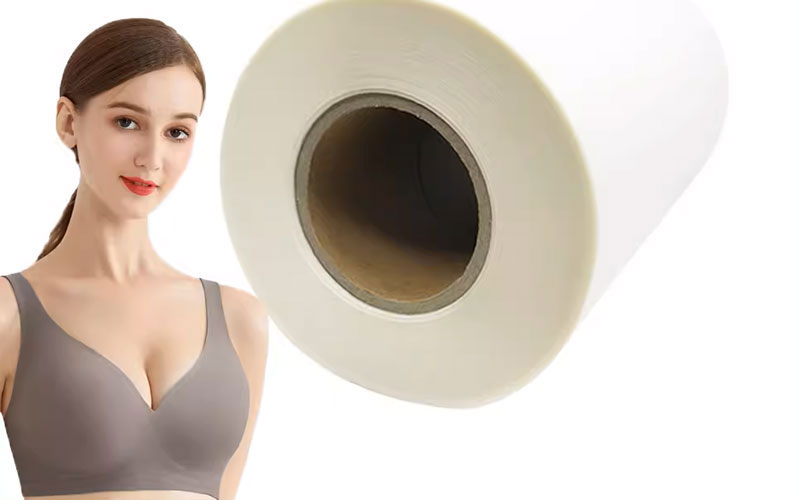
Bonding film allows intimate apparel to be discreet, comfortable, and irritation-free.
Common applications include:
- Seamless panties
- Bra wings and cup bonding
- Underband bonding
- Invisible hems
Smooth bonded edges have become a trend in modern lingerie.
5.3 Shapewear
Shapewear demands strong adhesion and high elasticity.
Uses include:
- Waist shapers
- Butt-lifting leggings
- High-elastic fabric bonding
- Body-contouring panels
Bonding film strengthens the garment structure while remaining invisible.
5.4 Outdoor and Technical Wear
Functional garments require bonding for protection and durability.
Examples:
- Waterproof jackets (bonded seams)
- Hiking pants
- Ski jackets
- Windbreakers
Bonding film enhances waterproofness and reduces seam failures.
5.5 Fashion and Designer Apparel
Modern fashion focuses on clean aesthetics:
- Bonded hems
- Decorative cut-and-bond styles
- 3D structure bonding
- Laser-cut panel bonding
Designers appreciate bonding film for enabling futuristic looks.
5.6 Accessories
Beyond clothing, bonding film is used in:
- Bags and backpacks
- Hats
- Shoe linings
- Adhesive label bonding
Its stable adhesion works well for both textiles and mixed materials.
6. How to Choose the Right Bonding Film for Seamless Clothing
Selecting bonding film depends on several factors:
6.1 Fabric Type
Different fibers bond more effectively with specific films.
- Spandex blends → PU/TPU
- Polyester → PES
- Nylon → PA
- Cotton → PA or PES
6.2 Garment Purpose
Sportswear requires elastic films; outerwear requires strong adhesion.
6.3 Bonding Temperature
Low-temperature bonding films help protect heat-sensitive fabrics.
6.4 Washing Requirements
Select films rated for the appropriate wash durability.
6.5 Elasticity Needs
For activewear and underwear, elasticity is mandatory.
A proper match between film and fabric ensures high production efficiency and garment quality.
7. Conclusion
Bonding film plays a critical role in today’s seamless clothing industry. Its ability to provide strong adhesion, smooth seams, and superior comfort makes it indispensable for sportswear, underwear, outdoor apparel, fashion garments, and accessories. Understanding the different types—PU, PA, PES, TPU, hot-melt web, and double-sided films—helps manufacturers choose the right solutions and improve product performance.
As apparel technology advances, bonding film will continue to redefine how garments are designed and constructed, supporting the growing trend of minimalistic, functional, and comfortable seamless clothing.