
In the dynamic world of garment manufacturing, precision and efficiency are key to producing high-quality clothing at scale. One of the most innovative solutions in this field is the adhesive bonding machine, a technology that has significantly changed how garments are made, especially in the production of seamless garments. This blog will explore how adhesive bonding machines are transforming the apparel industry by offering faster, more reliable, and cost-effective bonding solutions for fabric and other garment components.
1. Introduction to Adhesive Bonding in Apparel
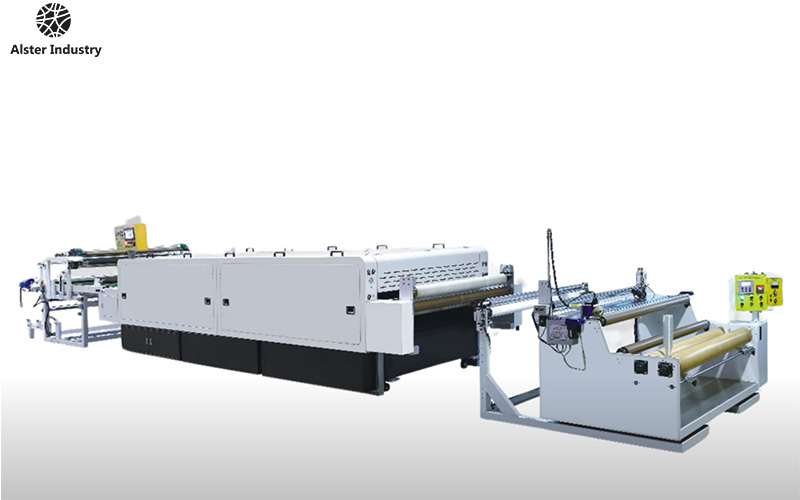
Adhesive bonding in the apparel industry involves using special adhesives to join different textile components without the need for traditional sewing or stitching. Adhesive bonding machines are designed to automate this process, offering a more efficient and precise way to bond fabrics, trims, and other materials. This technology has found a strong presence in seamless garment production, where adhesives are used to bond various fabric sections or features together without visible seams.
The use of adhesive bonding machines is increasingly common in manufacturing sportswear, lingerie, underwear, and medical garments, where seamless construction offers both comfort and a polished aesthetic. This approach improves production speed and reduces the manual labor required in traditional stitching processes.
2. Benefits of Using Adhesive Bonding Machines in Apparel
The integration of adhesive bonding machines into the garment production process offers several advantages:
a) Seamless and Comfortable Design:
Adhesive bonding allows for the production of garments with no visible stitching or seams. This is particularly important in creating garments like sports bras, activewear, and seamless underwear, where comfort and smoothness are key to consumer satisfaction.
b) Faster Production:
Adhesive bonding machines significantly increase the speed of garment production by automating the adhesive application process. This leads to reduced production times and faster turnaround, which is essential in high-demand industries like fast fashion and sportswear.
c) Cost-Effective Manufacturing:
By replacing manual stitching with adhesive bonding, manufacturers can reduce labor costs while maintaining high-quality standards. The precision of adhesive bonding machines also reduces material waste, contributing to more cost-efficient operations.
d) Enhanced Durability:
The strong bonds created by adhesive bonding machines are often more durable than traditional stitching. They provide robust connections that are resistant to wear and tear, making them ideal for items like sportswear and outdoor clothing, which are subject to frequent stretching and movement.
e) Versatility in Materials:
Adhesive bonding machines are compatible with a wide range of fabrics and textiles, including stretch fabrics, neoprene, elastane, and polyester. This versatility makes adhesive bonding an excellent solution for various garment types, from athletic wear to fashion clothing.
3. Types of Adhesive Bonding Machines Used in Apparel
There are several types of adhesive bonding machines designed for specific applications in the apparel industry. These include:
a) Hot Melt Adhesive Bonding Machines:
Hot melt adhesives are widely used in the apparel industry due to their fast-setting times and strong bonds. Hot melt adhesive bonding machines melt solid adhesives, which are then applied to fabric surfaces to create durable and flexible bonds. These machines are commonly used in sportswear and activewear production.
b) Pressure-Sensitive Adhesive Bonding Machines:
Pressure-sensitive adhesives (PSAs) are tacky adhesives that require pressure to create a bond. These machines are used for garments that need to adhere temporarily or permanently to specific parts, such as decorative patches, labels, or trim. PSAs are ideal for fashion accessories or customizable clothing.
c) Dispensing and Coating Systems:
These machines are used for applying liquid adhesives or adhesives in a precise pattern. Dispensing systems are especially useful for garment assembly where the adhesive must be applied in a controlled, uniform manner. These systems are typically used for necklines, waistbands, and sleeve cuffs in underwear or lingerie.
d) Ultrasonic Adhesive Bonding Machines:
Ultrasonic machines use high-frequency vibrations to create heat and pressure at the bonding site, allowing for clean and efficient fabric bonding. Ultrasonic bonding is perfect for bonding delicate fabrics without causing damage, and it is often used in medical garment production and surgical wear.
4. Applications of Adhesive Bonding Machines in Apparel
Adhesive bonding machines have numerous applications in the garment and textile industry. Some of the most common uses include:
a) Seamless Garment Production:
Seamless garments are popular in athleisure and lingerie due to their comfort and smooth fit. Adhesive bonding machines are crucial in creating seamless activewear, where the garment is constructed by bonding fabric sections together without the need for traditional stitching. This process enhances comfort, flexibility, and a cleaner look.
b) Sportswear and Activewear:
In the production of sportswear, athletic gear, and compression wear, adhesive bonding machines offer durability, stretchability, and comfort. These machines can bond elastane, spandex, and other stretchable fabrics, ensuring that the garments can stretch and move with the body.
c) Lingerie and Underwear:
Adhesive bonding is widely used in lingerie and underwear manufacturing to create lightweight, smooth, and durable garments. Adhesives are often used to bond lace, silk, and other delicate materials, providing a seamless look and feel that traditional stitching cannot achieve.
d) Medical Garments:
In the medical field, adhesive bonding machines are used to produce surgical gowns, compression stockings, and other medical apparel. The bonding process ensures that garments are not only comfortable and functional but also sterile and resistant to wear.
e) Fashion Accessories:
Adhesive bonding machines are also used in the creation of fashion accessories such as purses, belts, and hats. The precision of these machines ensures that the accessories are securely bonded and maintain their aesthetic appeal over time.
5. Key Features to Consider in Adhesive Bonding Machines for Apparel
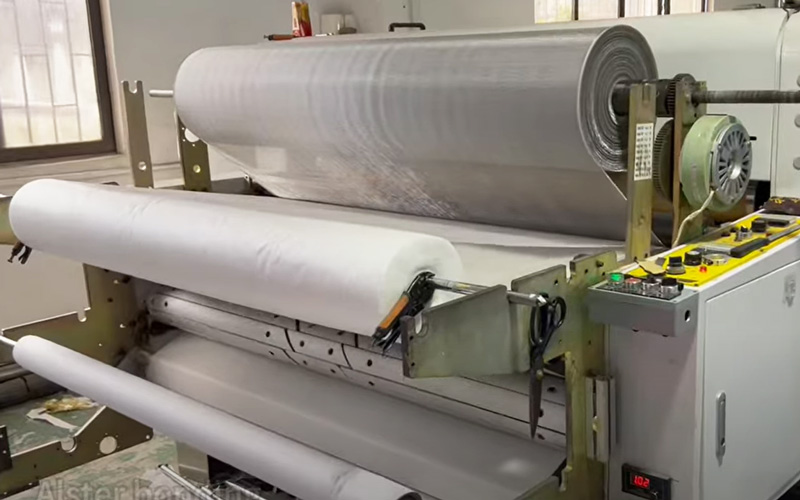
When selecting an adhesive bonding machine for garment production, there are several key features to consider:
a) Adjustable Temperature and Speed:
Being able to control the temperature and speed of adhesive application is crucial in ensuring that the bonding process works effectively with different fabrics and adhesives. High-quality machines offer adjustable settings for precise control over these factors.
b) Versatility in Fabric Handling:
A good adhesive bonding machine should be able to handle a variety of fabrics, from stretch fabrics to delicate lace. Advanced machines feature adjustable pressure and adhesive types to accommodate different textile materials.
c) Precision Control:
Precision in the amount and placement of adhesive is essential for seamless garment production. Look for machines with accurate dispensing systems that can apply adhesives in a consistent and uniform manner.
d) Energy Efficiency:
As with any industrial machinery, energy efficiency is an important consideration. Energy-efficient adhesive bonding machines help manufacturers reduce operational costs and meet sustainability goals.
6. Conclusion
The application of adhesive bonding machines in the apparel industry is transforming garment manufacturing by offering faster, more efficient, and more precise methods of creating high-quality garments. From seamless activewear to lingerie, adhesive bonding machines enable manufacturers to meet the growing demand for comfort, durability, and aesthetics in the fashion world. By understanding the different types of adhesive bonding machines and their applications, garment manufacturers can enhance their production capabilities, reduce costs, and improve the quality of their products.
Investing in adhesive bonding technology is a step towards staying competitive in the apparel industry, offering both innovation and efficiency in today’s fast-paced market.